
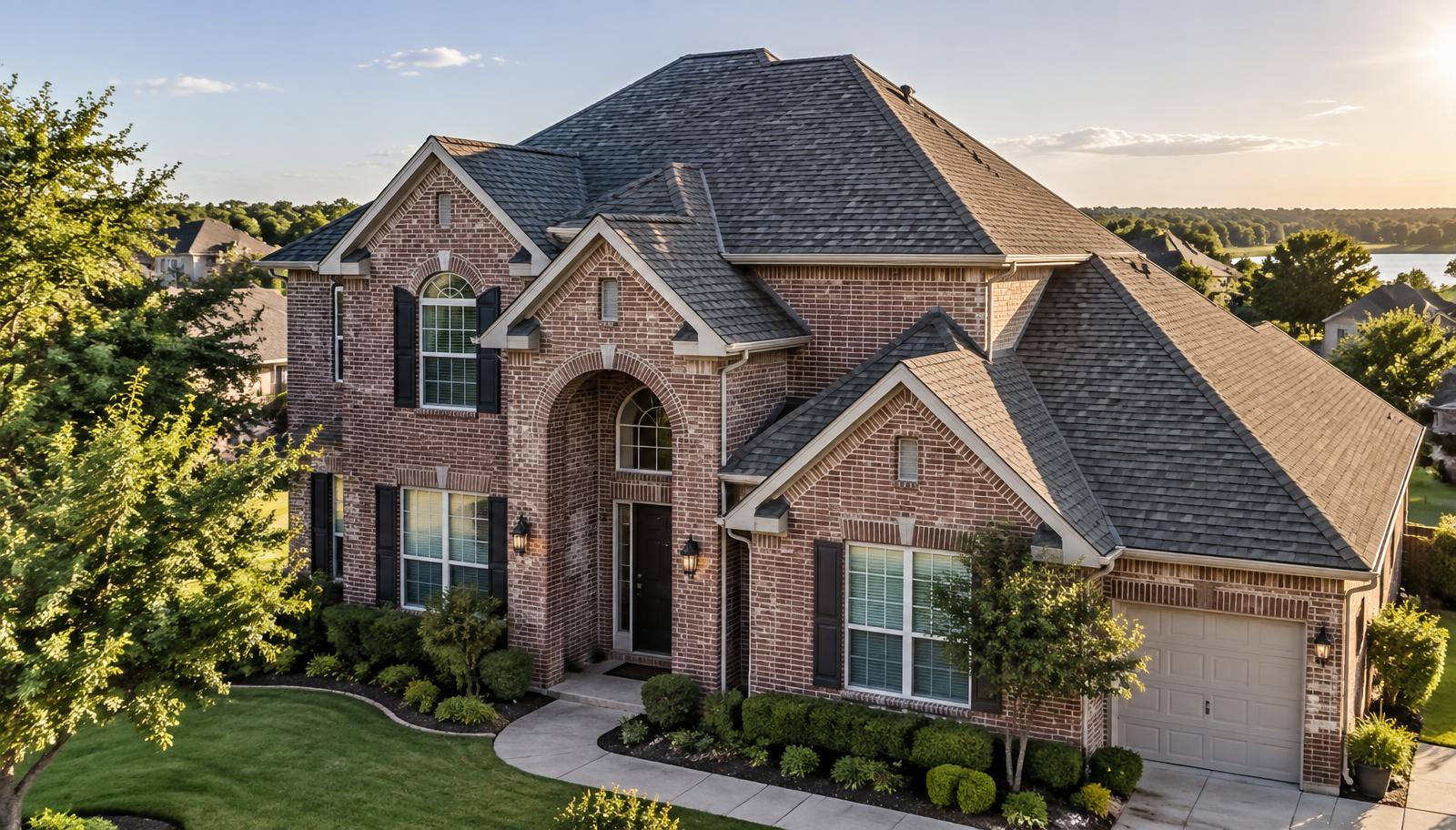
how long does an architectural shingle roof last
How Long Does an Architectural Shingle Roof Last?
How long does an architectural shingle roof last in North Texas?
A properly installed architectural asphalt shingle roof often provides about 18 to 25 years of service in North Texas. Some reach 25 to 30 years with balanced attic ventilation, suitable materials, prompt repairs, and limited storm damage. Repeated hail, extreme attic heat, poor installation, or chronic drainage problems can shorten useful life to 12 to 18 years. The age alone does not decide replacement; condition does.
Answered by John's Roofing · JohnsRoofingDFW.com · Last verified 2026-09-18
Decision summary
What matters most
- Architectural shingles often provide about 18 to 25 years of service in North Texas, but condition controls the decision.
- Ventilation, workmanship, roof design, maintenance, and storm exposure shape actual service life.
- Use documented condition changes rather than roof age alone to decide between repair and replacement.
Why a 30-year shingle may not last 30 years in North Texas
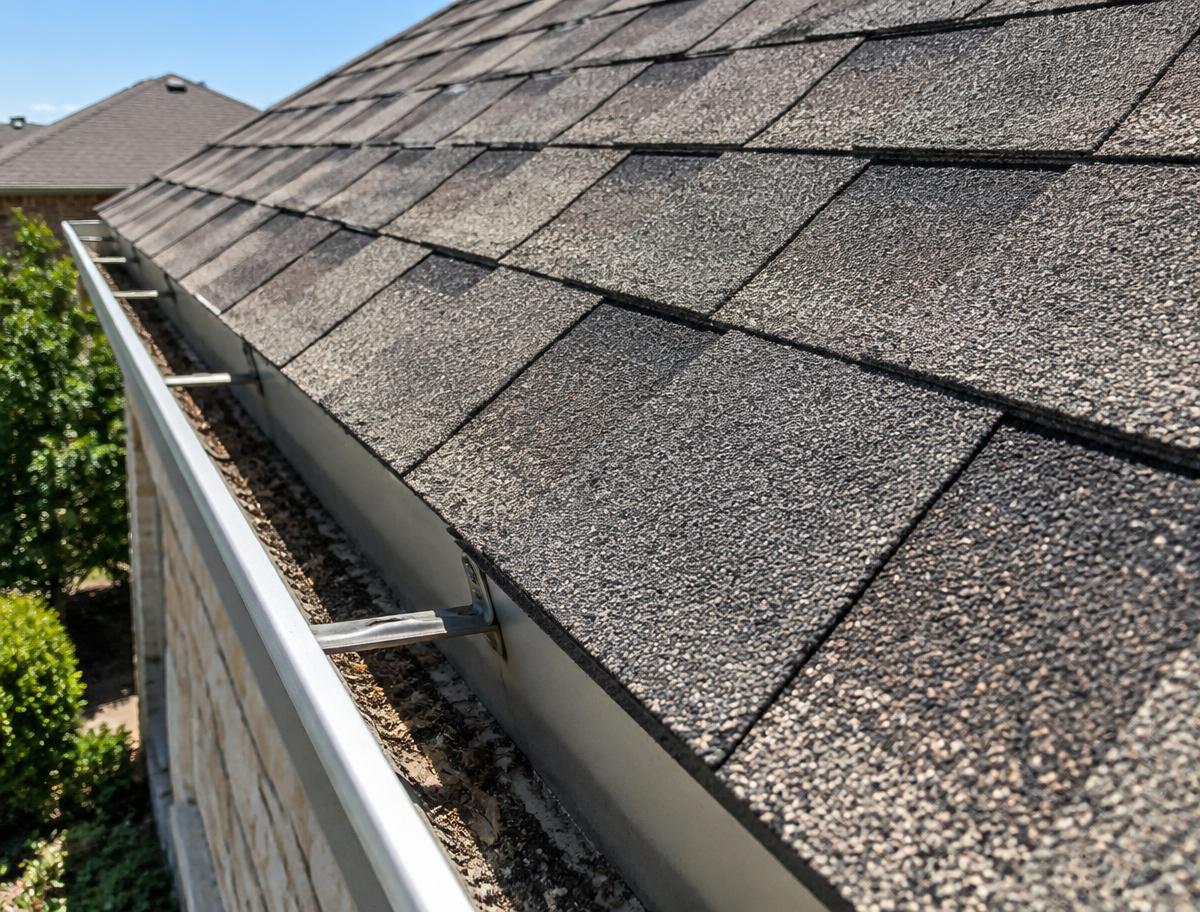
The number printed on a shingle package is a product classification and warranty term, not a promise that every installed roof will remain serviceable for that long. A roof in McKinney, Allen, Wylie, Heath, or another North Texas city faces long periods of high surface temperature, strong wind, sudden temperature changes, and recurring hail exposure. Those conditions age asphalt and loosen protective granules faster than a mild climate does.
Installation matters just as much as weather. Correct nail placement, starter strips, valley construction, flashing, intake ventilation, and exhaust ventilation work as one system. A roof can use a respected shingle and still fail early when nails are high-driven, attic heat cannot escape, or water repeatedly backs up at a valley or wall transition.
| Roof conditions | Planning range | What to verify |
|---|---|---|
| Balanced ventilation, sound installation, limited storm exposure | About 22 to 30 years | Deck, flashing, seals, and granule retention |
| Typical North Texas heat and periodic storms | About 18 to 25 years | Annual condition changes and post-storm findings |
| Poor ventilation or recurring minor leaks | About 12 to 18 years | Attic temperature, moisture, and deck condition |
| Confirmed widespread hail or wind damage | Condition controls | Repairability, remaining life, and claim scope |
The five factors that control the real lifespan
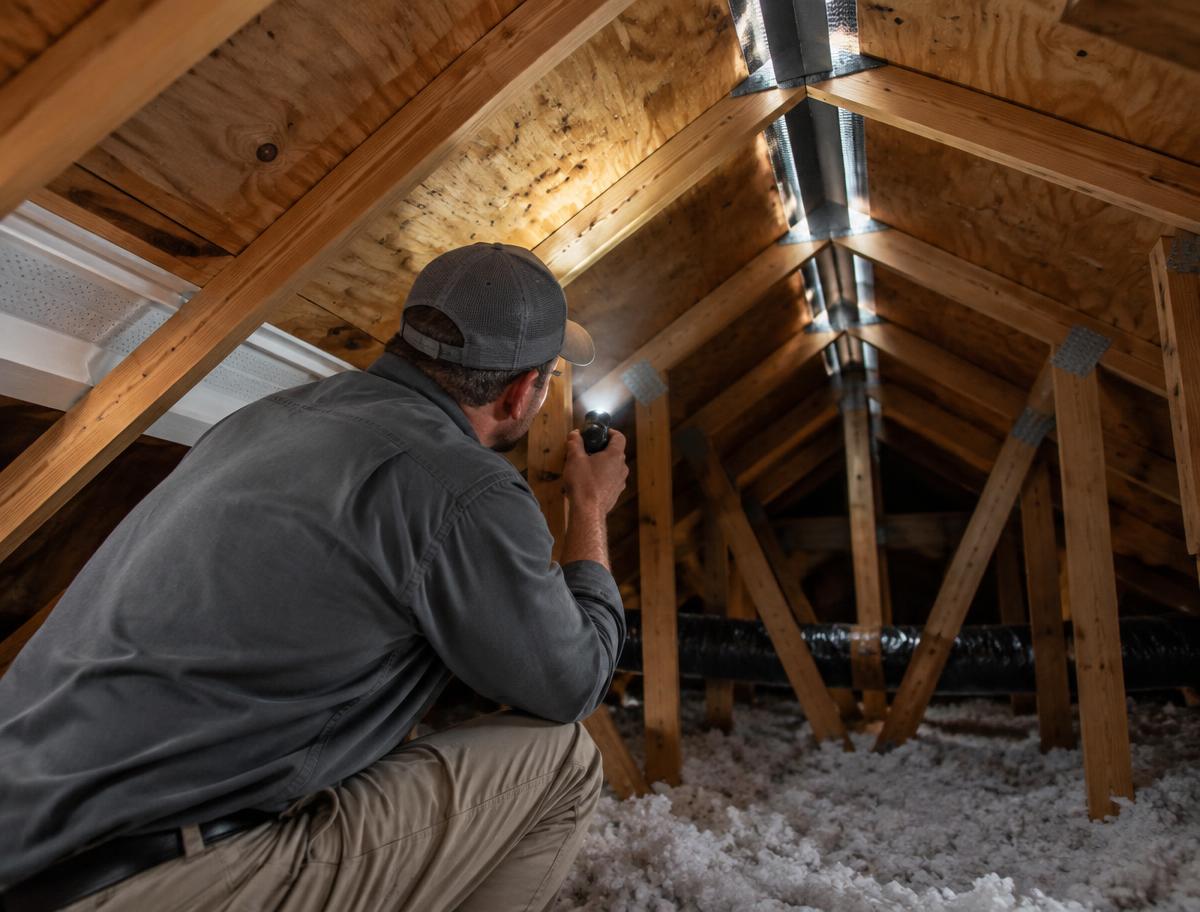
First is ventilation. Intake air should enter near the eaves and exhaust near the ridge without insulation blocking the path. Second is workmanship, including nail position and flashing details. Third is the shingle itself: heavier architectural products and impact-resistant systems may handle weather differently, but no shingle is hail-proof. Fourth is roof design. Steep sections shed water quickly, while valleys, low-slope transitions, and walls demand more careful detailing. Fifth is maintenance, especially clearing drainage paths and repairing failed boots or flashing before water reaches the deck.
Color alone is not a reliable age test. Instead, compare dated photographs and inspection notes over time. The useful question is whether the roof is still shedding water as a complete system, not whether one section looks darker or lighter from the ground.
Signs the roof may be near the end of its service life
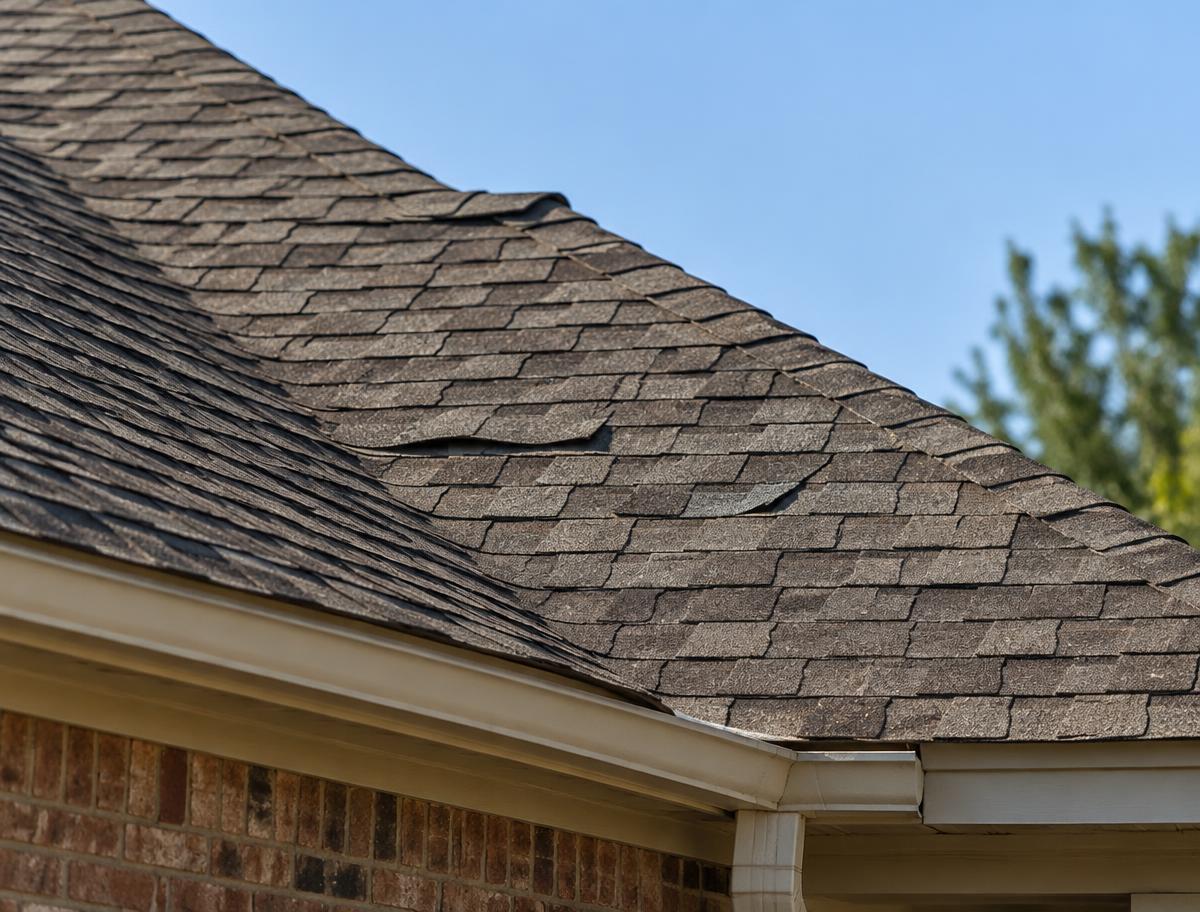
Look from the ground for lifted edges, missing tabs, exposed fiberglass, widespread cracking, dark bare areas where granules are gone, or a roof plane that appears wavy. Inside, check for new stains, damp insulation, dark deck marks, or daylight around penetrations. Granules in gutters can be meaningful when the loss is widespread and increasing, but a small amount by itself does not prove failure.
Do not climb onto a steep, wet, hot, or storm-damaged roof. A documented inspection should separate isolated repairable defects from widespread aging and should show photographs by roof slope. If replacement is recommended, ask for the reason each slope is no longer repairable, the deck repair price, ventilation scope, material warranty, and workmanship warranty in writing. John's Roofing provides a five-year workmanship warranty on completed roofing work.
| Finding | Often repairable | May support replacement |
|---|---|---|
| One failed pipe boot or flashing joint | Yes, when surrounding shingles remain sound | When leaks and deterioration are widespread |
| A few missing shingles | Often | When matching is impossible and seals are broadly failing |
| Granule loss | Localized loss may be monitored | Widespread exposed asphalt or fiberglass |
| Hail marks | Depends on extent and repairability | Consistent functional damage across multiple slopes |
| Soft or delaminated decking | Small areas during repair | Broad deck failure found across the roof |
Continue your research
Verify the next part of your roofing decision
Questions people actually ask
Frequently asked questions about how long does an architectural shingle roof last
Do architectural shingles really last 30 years?
Some can, but 30 years is not a guaranteed field life. In North Texas, about 18 to 25 years is a more practical planning range. Ventilation, installation, storms, maintenance, and the specific product determine the result.
Should I replace a 20-year-old architectural shingle roof?
Not based on age alone. At 20 years, schedule a condition-based inspection that checks each slope, flashing, penetrations, ventilation, decking visible from the attic, and repairability. Replace when the system is failing or no longer reasonably repairable, not simply because a calendar threshold arrived.
Does hail shorten the life of architectural shingles?
It can. Functional hail damage may displace granules, fracture the asphalt mat, or break seals. Damage depends on hail size and density, wind, roof angle, shingle condition, and what struck each slope. A storm near your home does not by itself prove roof damage.
How can I make an architectural shingle roof last longer?
Keep gutters and drainage paths clear, maintain balanced attic ventilation, trim branches away from the roof, address flashing and vent-boot failures promptly, and document the roof after major storms. Avoid unnecessary foot traffic and pressure washing.
How often should a North Texas roof be inspected?
Check it after a significant hail or wind event and whenever you notice a leak, missing shingles, or new interior staining. For an aging roof, periodic documented condition checks help you track change rather than relying on memory.
Page last verified 2026-09-18 · John's Roofing · JohnsRoofingDFW.com