best roofing material for high winds
Best Roofing Material for High Winds: What Holds Up on North Texas Homes
What is the best roofing material for high winds?
For most North Texas homes, the best roofing material for high winds is standing seam metal or a high wind rated architectural shingle installed to the manufacturer's high wind specification. Metal panels with concealed fasteners resist uplift well, and many architectural shingles carry wind ratings well above 3 tab shingles. Correct nailing, sealed edges, and a solid deck matter as much as the material.
Answered by John's Roofing · JohnsRoofingDFW.com · Last verified 2026-09-18
Decision summary
What matters most
- Standing seam metal and high wind rated architectural shingles are the most common wind resistant choices for North Texas homes.
- Installation matters as much as the material: nailing pattern, starter strips at the edges, drip edge, and roof deck attachment decide how a roof performs in a storm.
- Check the product's tested wind rating and the warranty's wind terms in writing, because higher wind coverage often requires a specific installation method.
Why wind damages roofs in North Texas
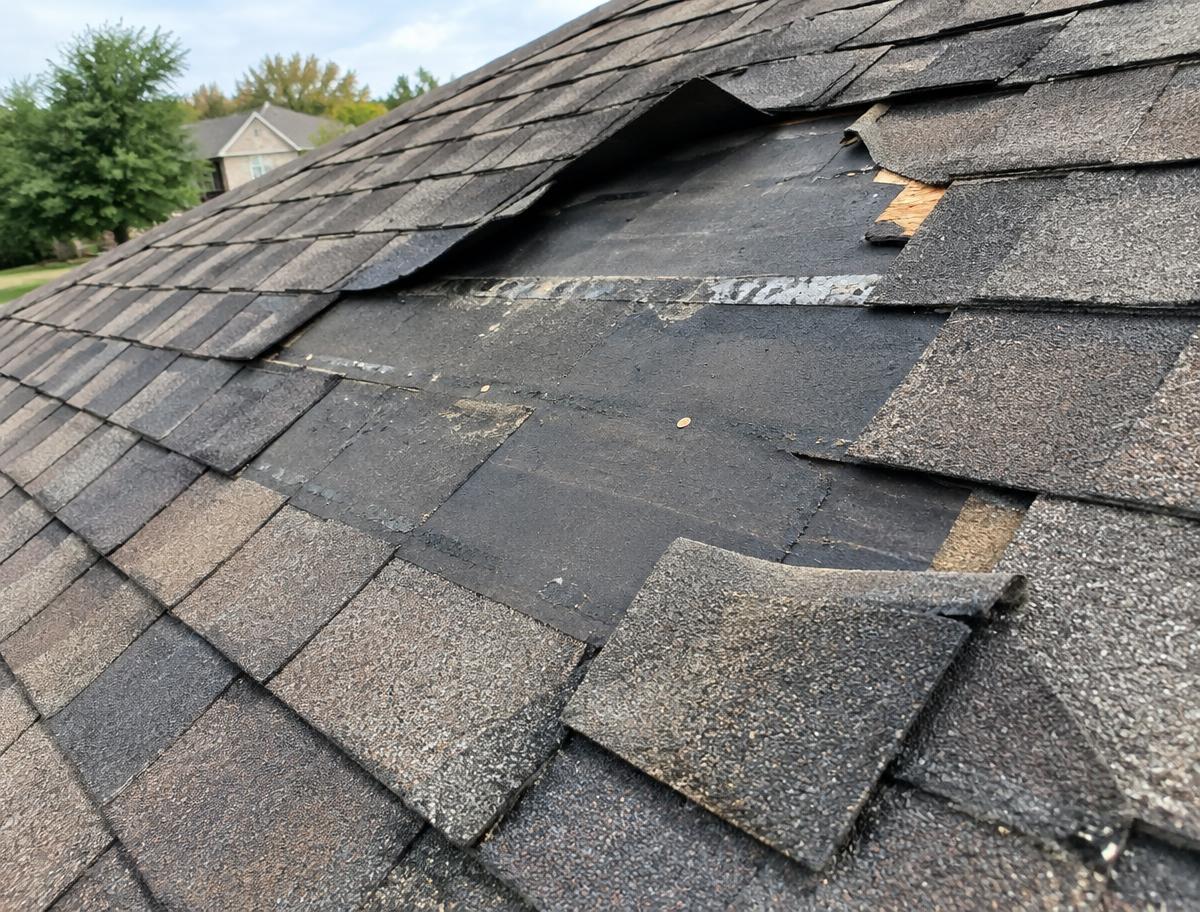
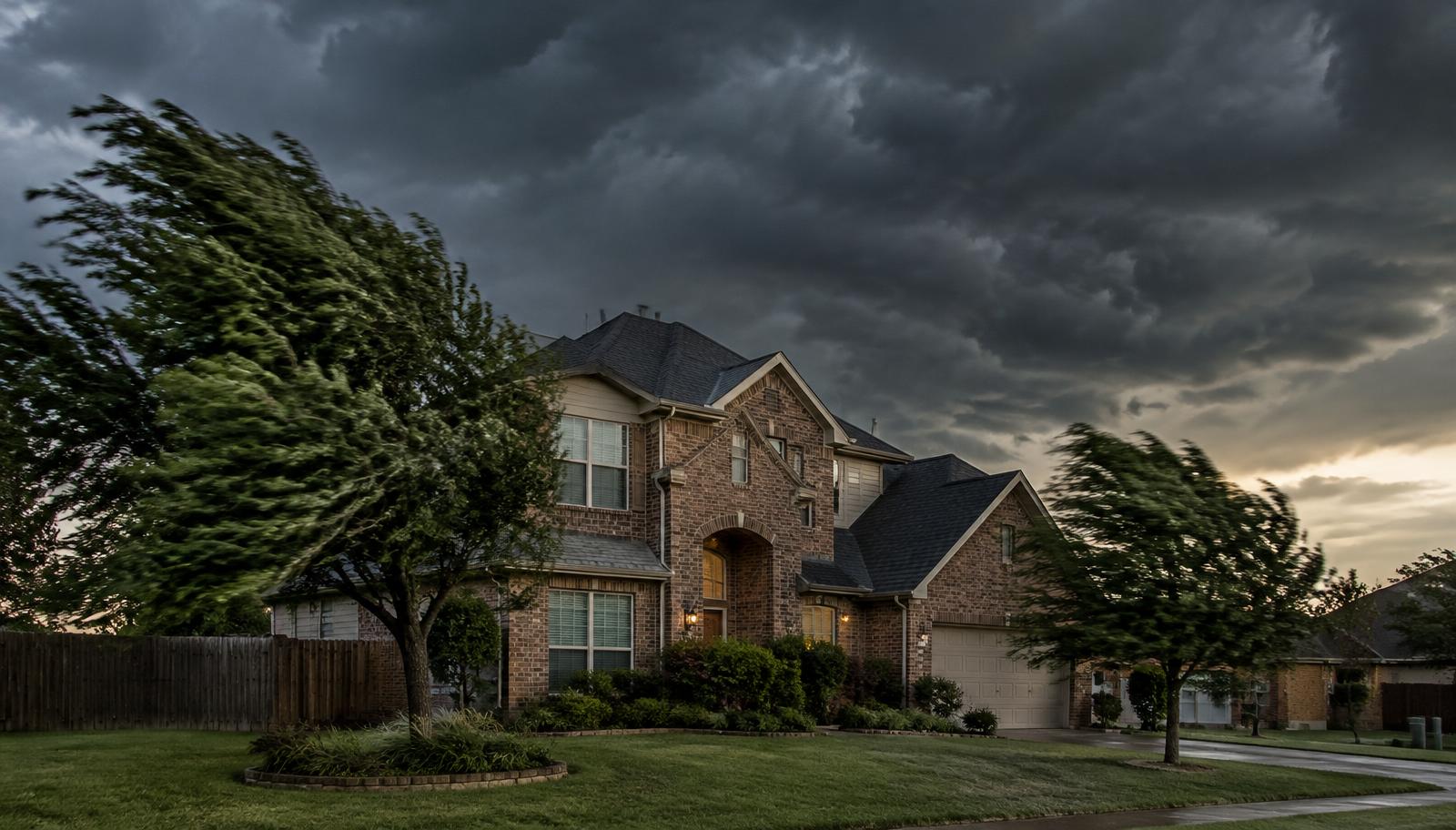
Severe thunderstorms in North Texas bring straight line winds and strong gusts, mostly in spring and early summer. Wind does not push straight down on a roof. It flows over the surface and creates suction, called uplift, that pulls hardest at the edges, corners, and ridge. Once one shingle or panel edge lifts, the wind can get underneath and peel more material away.
That is why wind damage usually starts at the perimeter: shingles missing along the eaves and rakes, creased tabs that folded back in a gust, and ridge caps blown off. Older shingles whose seal strips have weakened in the Texas heat are more likely to lift than newer ones that are still bonded.
Which roofing materials hold up best in high winds?
Wind resistance is tested in a lab, and manufacturers publish a rating or classification for each product. Ratings vary by product line, so compare the actual product you are offered rather than the material category alone. The table below is a general comparison, not a guarantee for any specific roof.
In North Texas, wind and hail often arrive in the same storm, so many homeowners weigh both. A material that resists wind but dents easily, or the reverse, may not be the best overall fit. Ask about both ratings before you choose.
| Material | Wind resistance | Things to know |
|---|---|---|
| Standing seam metal (concealed fasteners) | Very high when installed to spec | Higher upfront cost; can dent in large hail |
| High wind rated architectural shingles | High; many lines rated well above 3 tab | Wind rating often depends on enhanced nailing |
| Impact rated (Class 4) architectural shingles | High; similar to architectural lines | Adds hail resistance; may affect insurance premiums |
| Concrete or clay tile | Good when each tile is fastened | Heavy; individual tiles can break or loosen |
| Exposed fastener metal panels | Moderate to high | Screws and washers need periodic checks |
| 3 tab shingles | Lowest of these options | Thinner, flatter, and quicker to lift |
Is metal roofing better than shingles in high winds?
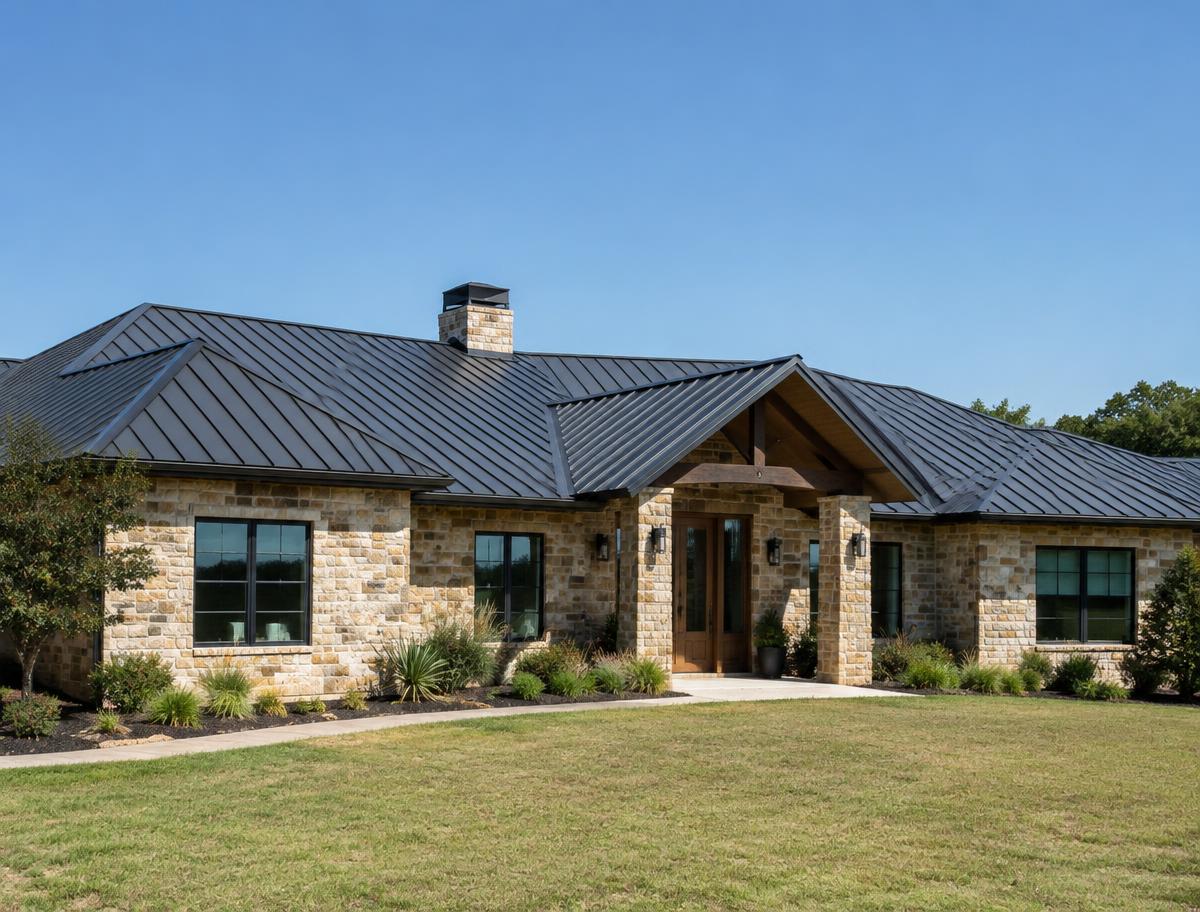
Standing seam metal is one of the strongest choices against wind. Long panels lock together at raised seams and attach with hidden clips, which leaves few edges for wind to catch. Properly installed metal roofs commonly carry high wind ratings, and the panels do not depend on a seal strip that ages in the sun.
Metal is not automatically the right answer, though. It usually costs more than architectural shingles, large hail can leave cosmetic dents, and performance still depends on the installer using the correct clip spacing and edge trim. A high quality architectural shingle roof installed to the high wind specification can be a strong, more affordable option for many homes.
Installation details that matter more than the label
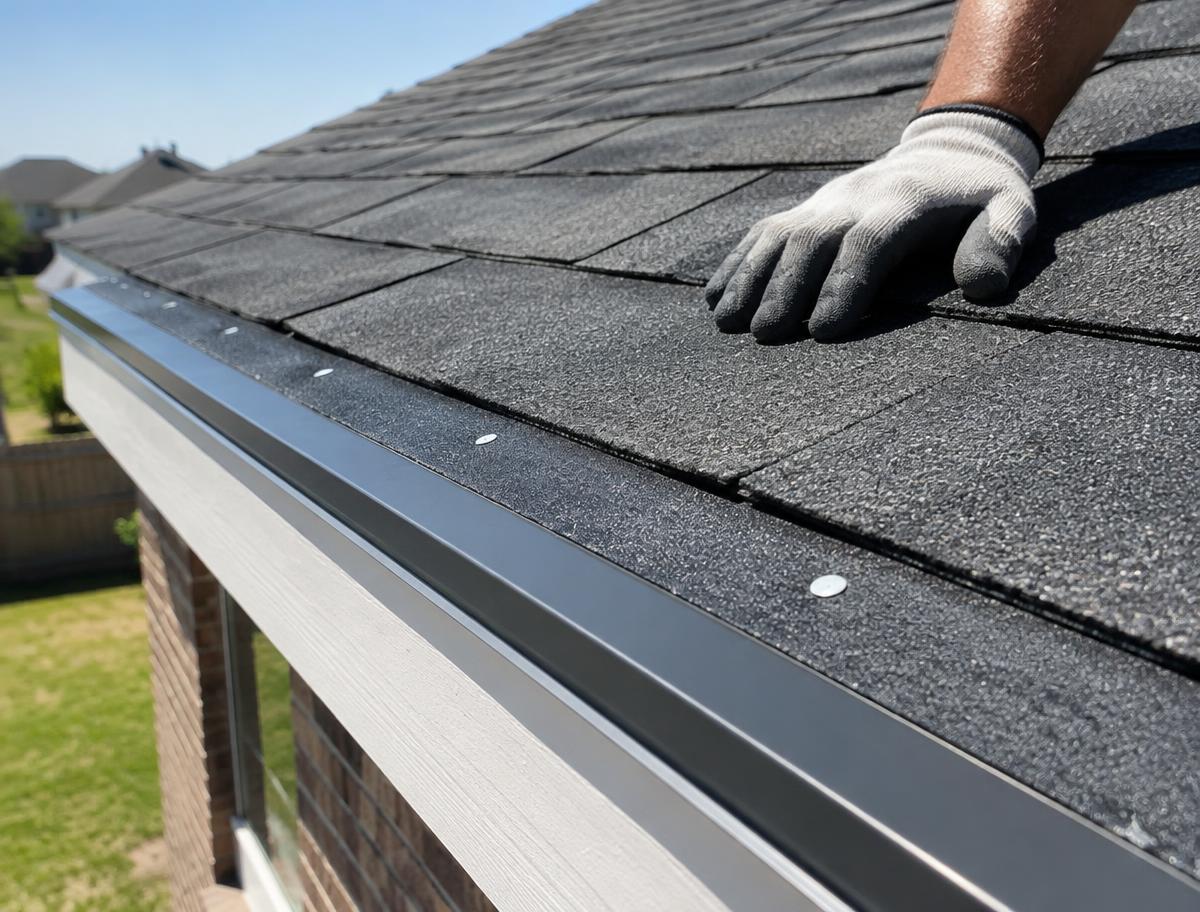
Even the best rated material fails early if it is installed poorly. Most shingle wind ratings assume a specific number of nails per shingle placed in the nailing strip, a starter course with adhesive along the eaves and rakes, and correct overhang at the edges. Some manufacturers require six nails per shingle, sometimes along with other steps, for their highest wind coverage.
Other details make a difference too: drip edge metal at the perimeter, sealed ridge caps, the roof deck securely fastened to the rafters, and replacing damaged decking during a tear off. Ask your contractor which installation method the written scope follows and whether it meets the manufacturer's requirements for the wind warranty.
| Detail | What to ask for | Why it matters |
|---|---|---|
| Nailing pattern | Manufacturer's high wind nailing | Holds each shingle against uplift |
| Starter strips | At eaves and rakes, with sealant | Edges are where wind lifts first |
| Drip edge | Metal edge at the full perimeter | Stiffens and protects the roof edge |
| Ridge caps | Rated caps, properly fastened | Ridge sees strong suction in gusts |
| Roof deck | Secure fastening; rotten boards replaced | Shingles are only as strong as the deck |
Wind warranties, insurance, and choosing the right roof
Shingle warranties often list a standard wind speed and a higher one that applies only with enhanced installation. Read the wind section of the warranty, and keep a copy of the written scope showing how the roof was installed. John's Roofing provides a five year written workmanship warranty on its work; product warranties come from the manufacturer and follow their own terms.
If wind has already damaged your roof, photograph it promptly from the ground and keep dated records. Some insurers offer premium discounts for certain roof types, and policies vary. Only your insurance carrier decides coverage. A documented inspection can show what was damaged and whether a repair or a replacement makes more sense.
Continue your research
Verify the next part of your roofing decision
Questions people actually ask
Frequently asked questions about best roofing material for high winds
What roofing material is most wind resistant?
Standing seam metal with concealed fasteners is generally among the most wind resistant residential options. High wind rated architectural shingles installed to the manufacturer's high wind specification are also strong performers. Compare the tested rating of the actual product, and remember that installation quality affects real world results.
How much wind can architectural shingles withstand?
It depends on the product line and how it was installed. Many architectural shingles carry wind ratings well above 3 tab shingles, and some reach their highest rating only with extra nails and sealed starter strips. Check the specific product's rating and warranty terms in writing.
Are impact resistant shingles also wind resistant?
Impact rated shingles are tested for hail, not wind, but most are built on heavy architectural designs that also carry strong wind ratings. In North Texas, where storms often bring both hail and wind, they can be a good fit. Confirm both ratings for the product you are offered.
Why do shingles blow off a roof?
Wind creates uplift that pulls hardest at the edges, corners, and ridge. Shingles blow off when seal strips have weakened with age and heat, when too few nails were used or placed in the wrong spot, or when edge details like starter strips were skipped.
Should I replace my roof with metal to protect against wind?
Not always. Metal performs very well in wind but costs more and can dent in large hail. A well installed high wind rated shingle roof may meet your needs at a lower cost. A roof inspection and a written comparison of options can help you decide.
Page last verified 2026-09-18 · John's Roofing · JohnsRoofingDFW.com