

residential roof inspection checklist
Residential Roof Inspection Checklist: What to Check Outside, Inside, and After a Storm
What should a residential roof inspection checklist include?
A residential roof inspection checklist should include the shingles or roof covering, flashing at walls, chimneys, valleys and pipes, roof vents and ventilation, gutters and downspouts, the fascia and drip edge, the attic decking and insulation, and interior ceilings. Each item should be checked for damage, wear, and leaks, with findings photographed and written down by slope.
Answered by John's Roofing · JohnsRoofingDFW.com · Last verified 2026-09-18
Decision summary
What matters most
- A complete residential roof inspection checks four zones: the roof surface, the flashing and penetrations, the drainage, and the attic and ceilings below.
- Homeowners can check a lot from the ground and the attic; the roof surface itself is safest left to a professional.
- A useful professional inspection ends with slope-by-slope photographs and a written summary, not just a verbal opinion.
Exterior checklist: what to look for from the ground
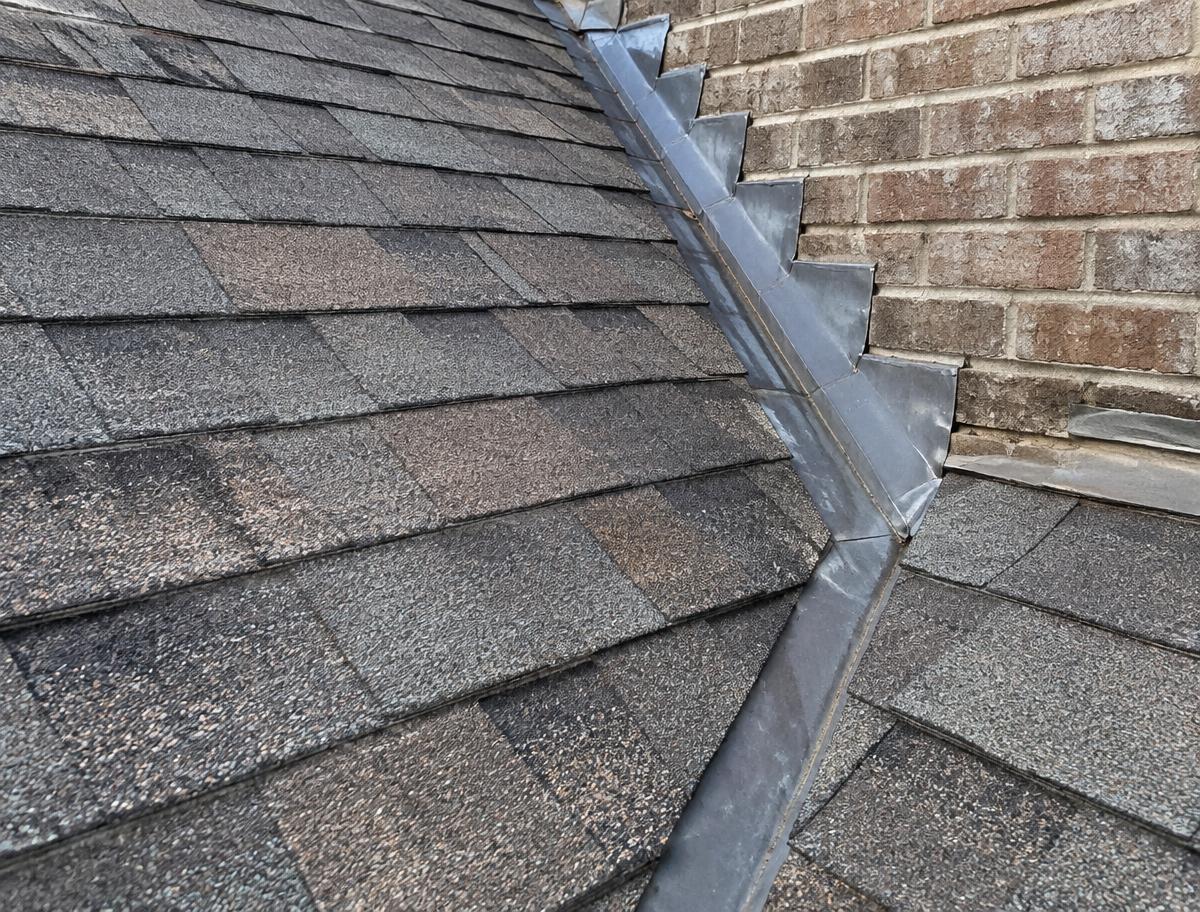
Start with a slow walk around the house, ideally with binoculars and in good daylight. You can see a surprising amount without a ladder: missing or lifted shingles, dark patches where granules have worn off, sagging rooflines, bent vents, and debris piled in valleys. Check each side of the house, because the south and west slopes in North Texas take the most sun and often age first.
Look closely at where roof planes meet walls, chimneys, and each other. Flashing in these spots directs water away from joints, and it is where many leaks begin. Rust, gaps, loose metal, or thick smears of tar are signs of an earlier patch or a problem. Do not climb onto the roof to check; a pitched roof is dangerous, and walking on it can damage shingles.
| Item | What to look for | Why it matters |
|---|---|---|
| Shingles | Missing, curled, cracked, or lifted tabs; bare spots | Exposes the underlayment to sun and rain |
| Flashing | Gaps, rust, loose metal, heavy tar patches | Most common leak point at joints |
| Pipe boots and vents | Cracked rubber, dents, missing caps | Water can run down pipes into the attic |
| Valleys | Debris buildup, worn shingles, exposed metal | Carries the most water on the roof |
| Roofline | Sagging or wavy sections | Can signal deck or structural problems |
| Fascia and drip edge | Rot, peeling paint, separation | Water may be getting behind the gutters |
Gutters and drainage checklist
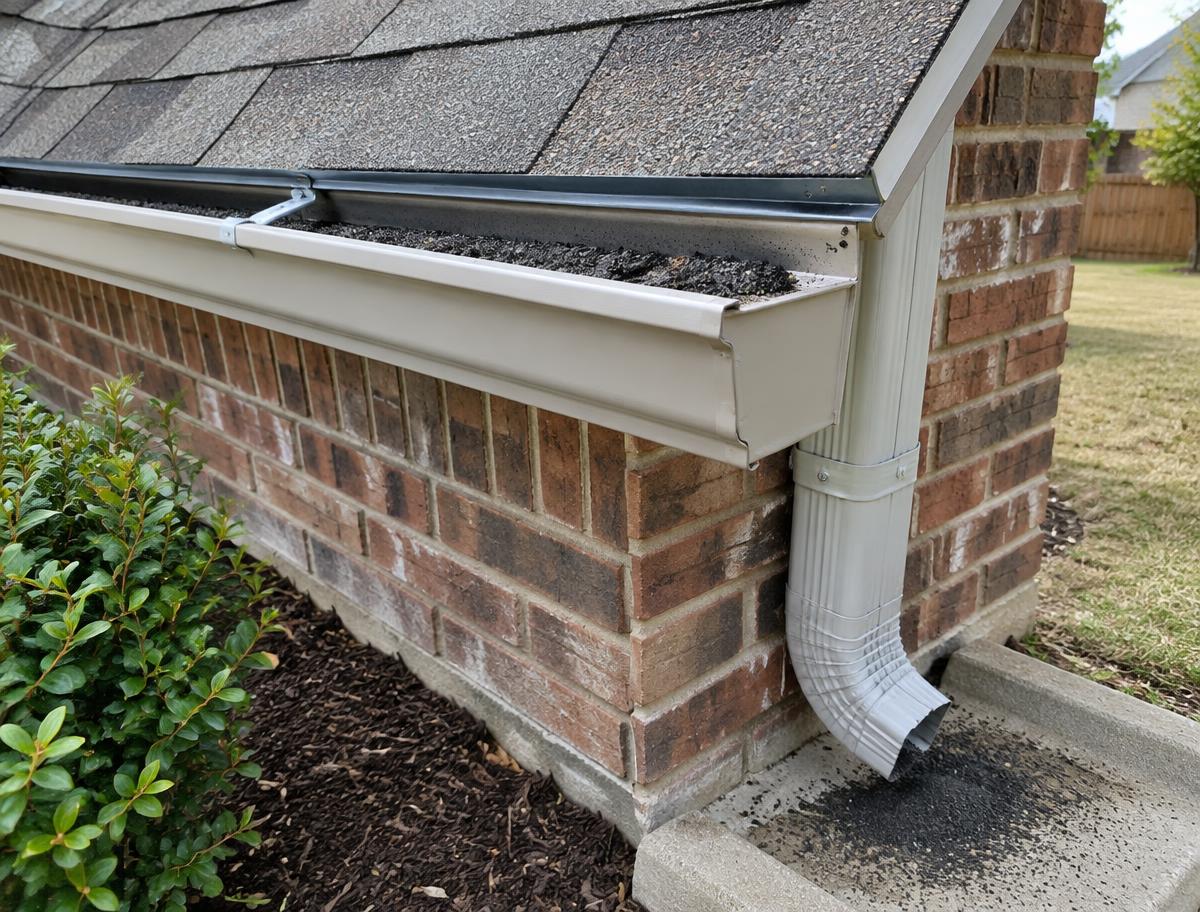
Gutters tell you a lot about the roof above them. A handful of shingle granules at the downspout outlet is normal on a newer roof, but a heavy, sand-like buildup suggests the shingles are wearing. Check that gutters are firmly attached, slope toward the downspouts, and are not overflowing or pulling away from the fascia.
Also check where the water goes. Downspouts should discharge away from the foundation, and splash blocks or extensions should be in place. Standing water along the eaves, stains on brick below the gutters, or rotted fascia boards point to a drainage problem that can shorten the life of the roof edge.
Attic and interior checklist
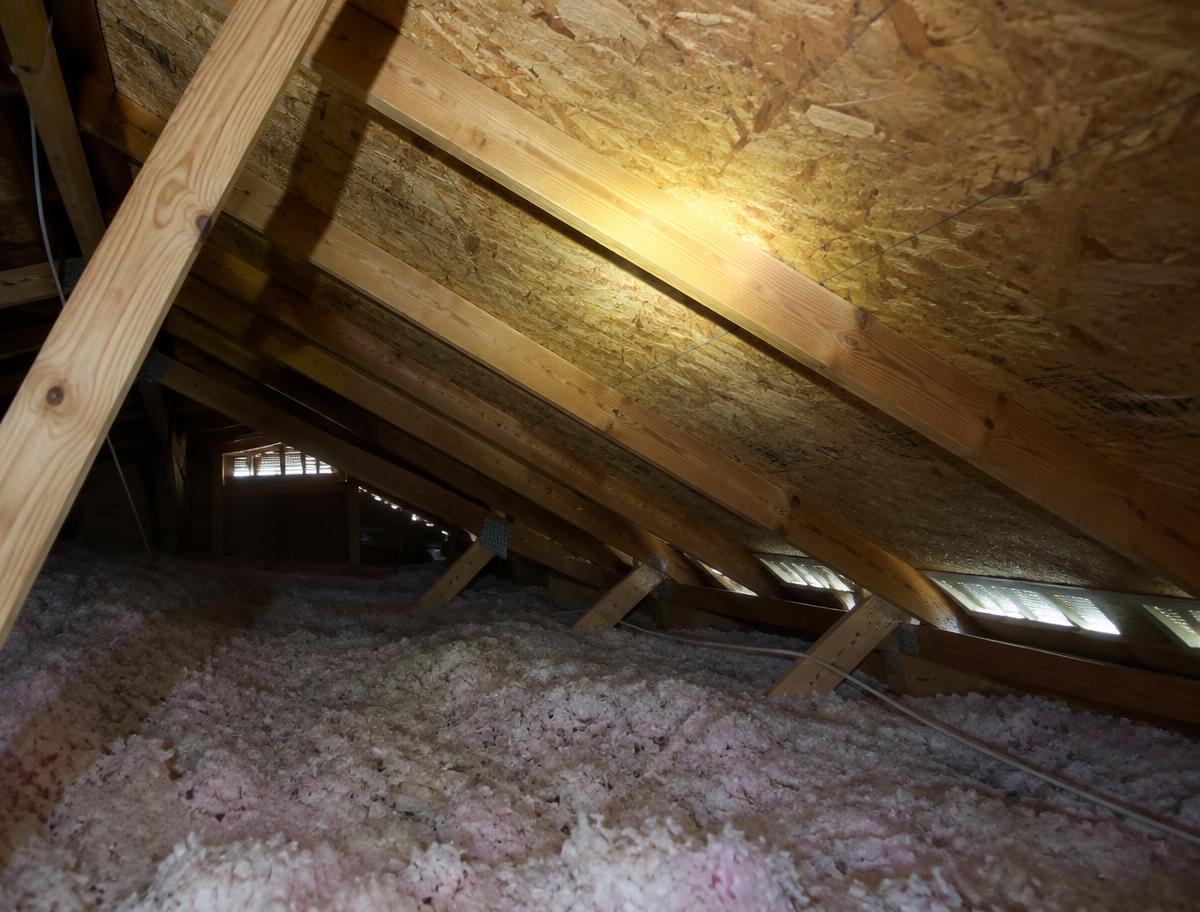
The attic is where leaks show up first, often long before a ceiling stain appears. If it is safe to enter, bring a flashlight and step only on framing. Look for water stains or dark rings on the roof decking, damp or compressed insulation, rusty nail tips, daylight coming through the deck, and signs of mold. Check around every pipe, vent, and chimney from below.
Ventilation matters in Texas heat. Soffit vents at the eaves should be open and not blocked by insulation, and there should be exhaust venting near the ridge. A very hot, stuffy attic with poor airflow can bake shingles from underneath. Inside the house, check ceilings and upper walls for stains, bubbling paint, or cracks, especially in bathrooms, closets, and rooms under valleys.
| Item | Warning sign | Possible cause |
|---|---|---|
| Roof decking | Dark stains, soft spots, daylight | Active or past leak; deck damage |
| Insulation | Damp, matted, or discolored areas | Water entering from above |
| Nails | Rust or frost on exposed tips | Condensation from poor ventilation |
| Ventilation | Blocked soffits, no ridge or exhaust vents | Heat buildup that ages shingles |
| Ceilings and walls | Stains, bubbling paint, cracks | Leak path from the roof above |
When to schedule a professional roof inspection
A homeowner checklist catches obvious problems, but some damage is only visible from the roof surface, like hail bruising, broken seal strips, or cracked flashing. In North Texas it is sensible to have a professional inspection after any significant hail or wind storm, before buying or selling a home, when a roof reaches the later part of its expected life, and whenever you notice a stain or leak.
A useful professional inspection should document each slope with photographs, note the condition of flashing, vents, and drainage, check the attic when accessible, and explain in writing what needs repair now, what to monitor, and what is normal wear. If storm damage is found, clear, dated documentation helps when you talk to your insurer, but only the insurance carrier decides whether coverage applies, and policies vary.
Continue your research
Verify the next part of your roofing decision
Questions people actually ask
Frequently asked questions about residential roof inspection checklist
How often should a residential roof be inspected?
A common guideline is once a year and after any major hail or wind storm. In North Texas, spring and early summer bring frequent severe weather, so many homeowners schedule an inspection after storm season. Older roofs and roofs with past repairs benefit from more frequent checks.
Can I inspect my own roof?
You can safely check a lot from the ground with binoculars, from the attic with a flashlight, and from inside the home. Walking on the roof is dangerous and can damage shingles, so leave the roof surface to a professional with proper safety equipment.
What does a professional roof inspection include?
A thorough inspection covers the roof covering, flashing, pipe boots, vents, valleys, gutters, fascia, and the attic when accessible. It should end with slope-by-slope photographs and a written summary of what needs repair, what to monitor, and what is normal wear.
How long does a residential roof inspection take?
It depends on the size, pitch, and complexity of the roof and whether the attic is accessible. A simple single-story roof takes less time than a steep, multi-level roof with many valleys and penetrations. Ask the inspector what the visit includes before scheduling.
Should I get a roof inspection after a hailstorm?
Yes, if hail was large enough to dent cars, gutters, or outdoor equipment in your area. Hail damage on shingles is often hard to see from the ground. A documented inspection shows whether there is functional damage, and your insurer decides whether any of it is covered.
Page last verified 2026-09-18 · John's Roofing · JohnsRoofingDFW.com