
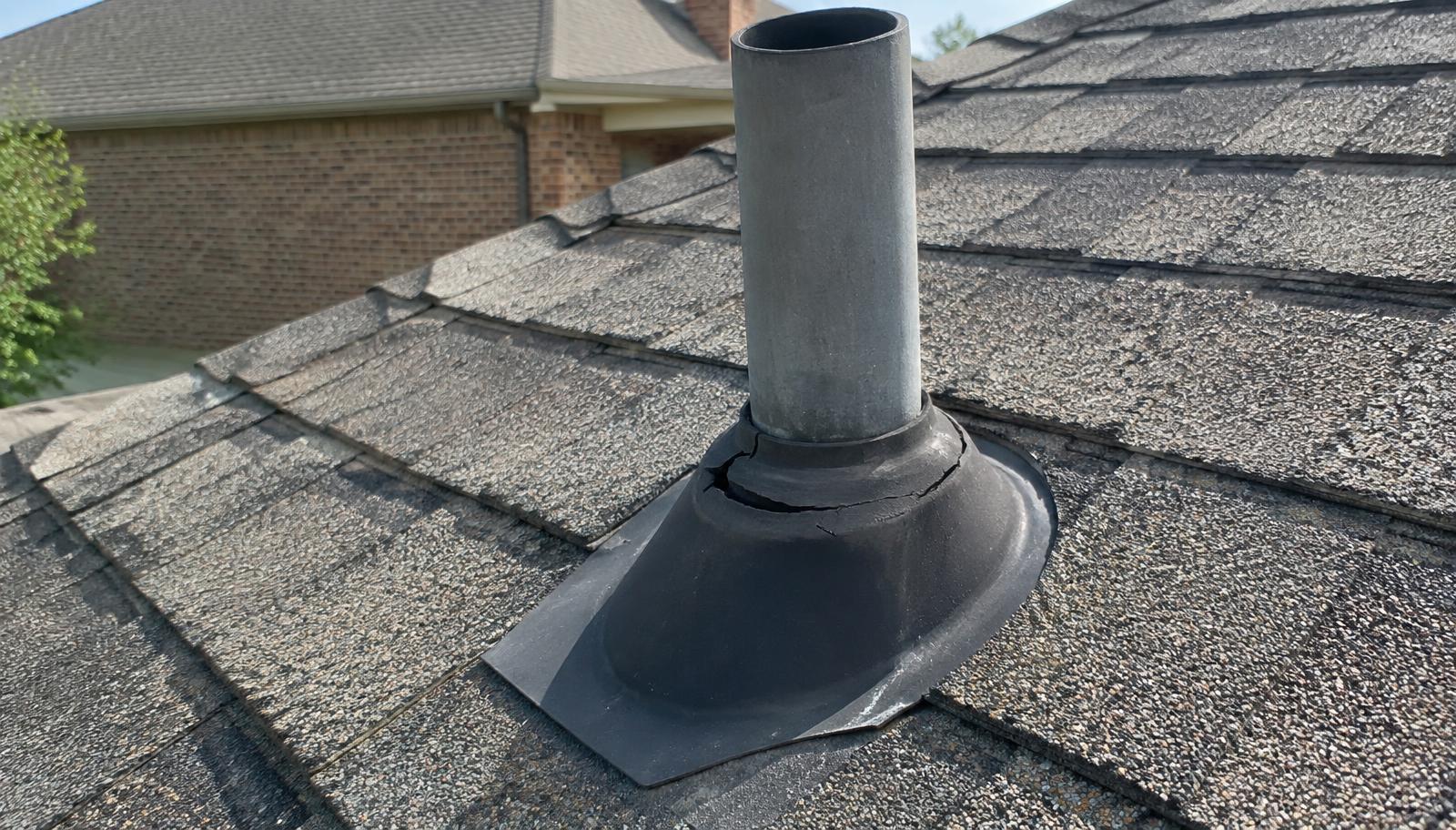
roof leaking around vent pipe
Roof Leaking Around a Vent Pipe: Causes, Fixes, and What It Costs to Ignore
Why is my roof leaking around the vent pipe?
A roof leaking around a vent pipe is most often caused by a cracked or split rubber pipe boot, the collar that seals the gap between the pipe and the shingles. Sun and heat dry out the rubber until it splits and lets rain run down the pipe. Other causes include loose or rusted metal flashing, missing nails, dried sealant, and shingles installed incorrectly around the base.
Answered by John's Roofing · JohnsRoofingDFW.com · Last verified 2026-09-18
Decision summary
What matters most
- Most vent pipe leaks come from a cracked or split rubber pipe boot; Texas sun breaks the rubber down years before the shingles wear out.
- Caulk or roofing tar over a cracked boot is a short-term patch, not a repair.
- The lasting fix is replacing the pipe flashing and weaving it correctly into the surrounding shingles.
What causes a leak around a plumbing vent pipe
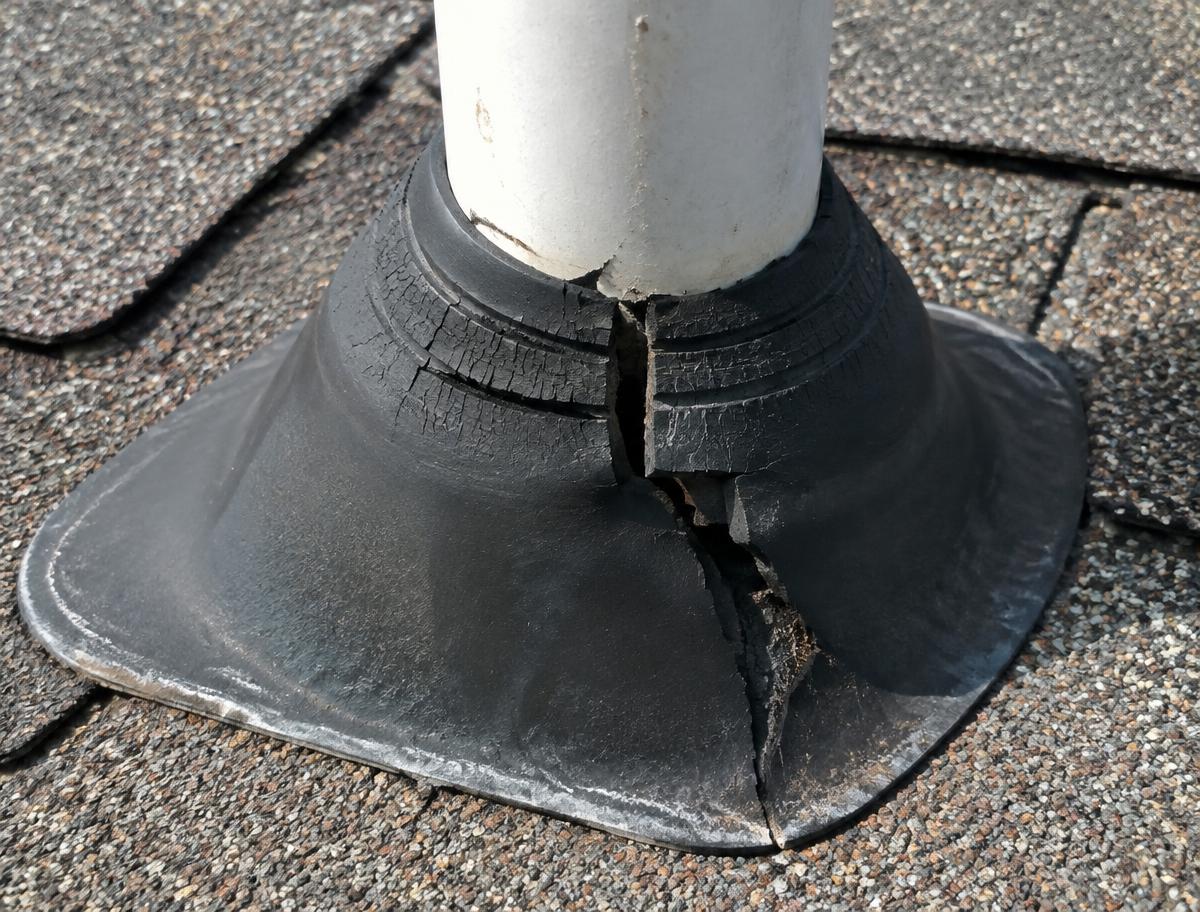
Every plumbing vent pipe passes through a hole cut in the roof deck, and the only thing keeping rain out of that hole is the pipe flashing. The most common design is a metal or plastic base with a rubber collar that hugs the pipe. In North Texas, summer heat and direct sun dry that rubber out, and it often cracks well before the shingles around it are worn. Once the collar splits, water runs down the outside of the pipe and into the attic.
Other causes are less common but worth checking. The base flashing can lift if its nails back out, the upper edge can sit on top of the shingles instead of tucked under them, old sealant can shrink away from the pipe, and hail or wind debris can puncture a plastic base. On older homes, a previous repair done with tar or caulk may have failed and be hiding the original problem.
| What you find | Likely cause | Typical fix |
|---|---|---|
| Rubber collar cracked or split | Sun and heat aging | Replace the pipe flashing |
| Base lifted or nails exposed | Nails backed out | Refasten or replace, seal nail heads |
| Upper edge sits on top of shingles | Installation error | Reinstall with the top edge tucked under shingles |
| Tar or caulk smeared around the base | Earlier patch failed | Remove patch, replace flashing correctly |
| Dent or hole in the base | Hail or debris impact | Replace flashing; document if storm related |
How to confirm the leak is coming from the vent pipe
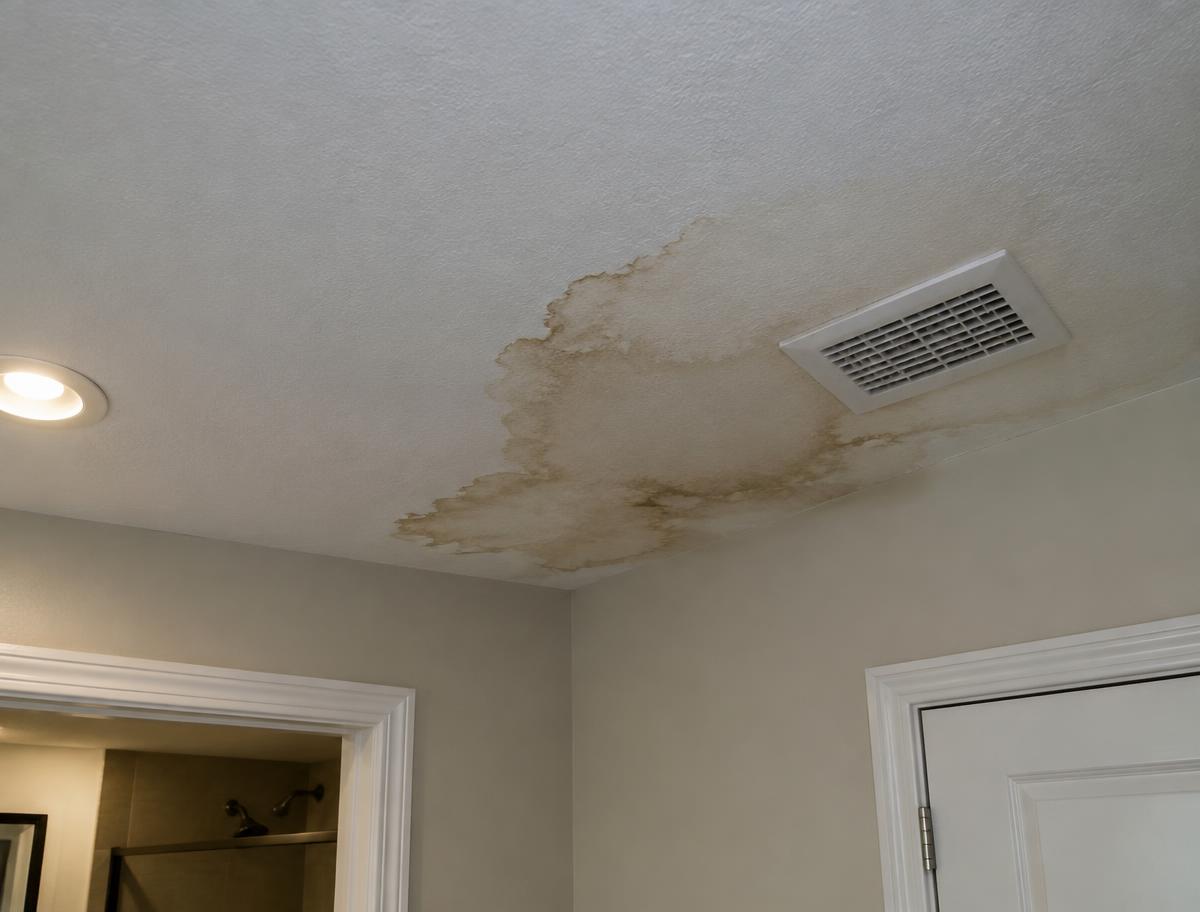
Vent pipe leaks tend to show up as a stain on the ceiling near a bathroom, kitchen, or laundry room, because that is where plumbing vents are located. The stain usually appears or grows after rain and stays dry otherwise. If it is safe, look in the attic with a flashlight after a storm: a wet ring on the deck around the pipe, water streaks down the pipe itself, or damp insulation directly below point to the flashing.
Water travels, so the stain on the ceiling is not always directly under the pipe. It can run along a rafter or the top of the pipe before dripping. Stains that show up without rain, or that stay damp all the time, may point to a plumbing drain leak instead of a roof leak. Do not climb onto the roof to check; a pitched, wet roof is dangerous. A documented inspection with photographs of the pipe flashing and the attic below can confirm the source.
How a vent pipe leak should be repaired
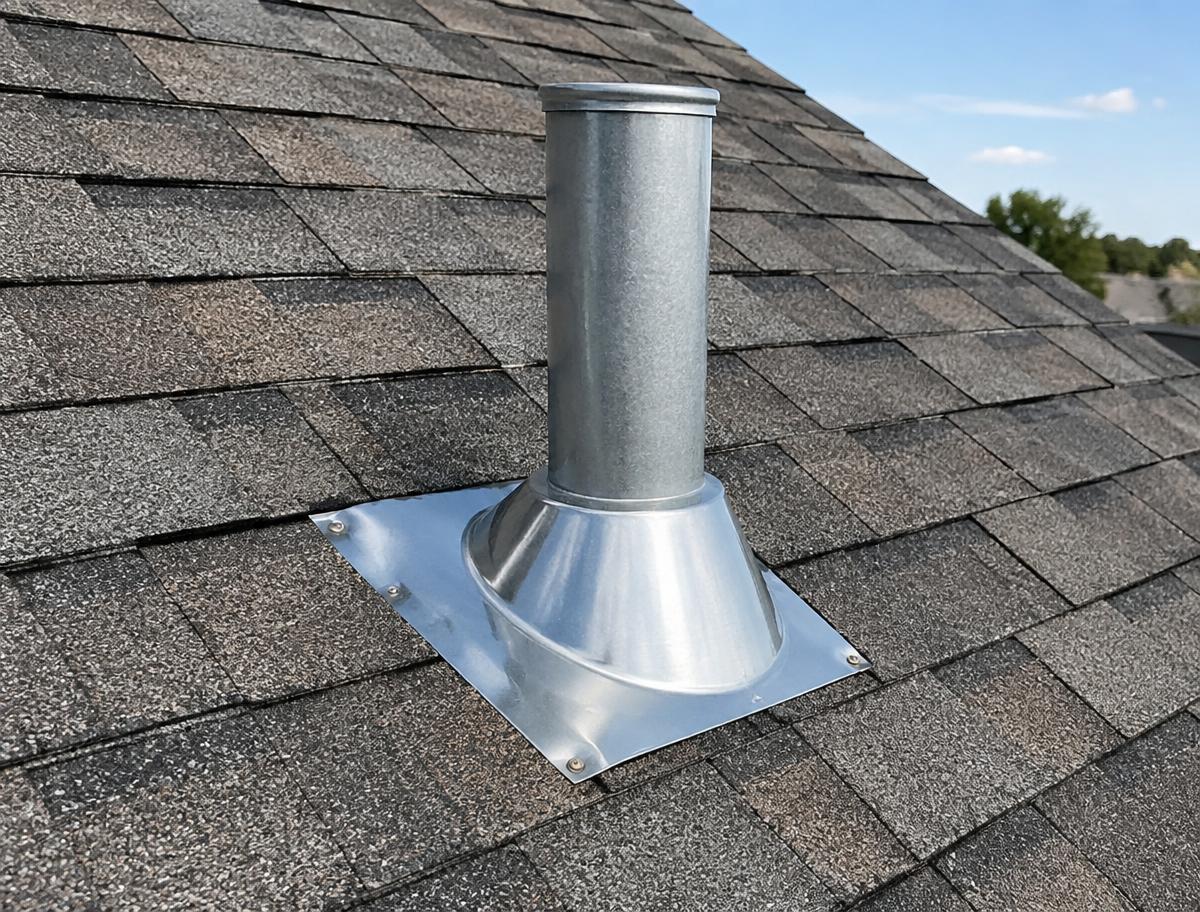
The lasting repair is to replace the pipe flashing, not to coat the old one. A roofer loosens the shingles above the pipe, removes the old boot, slides a new flashing over the pipe, and tucks its upper edge under the shingles above while the lower edge sits on top of the shingles below. That overlap lets water shed over the flashing instead of behind it. Fasteners are sealed, and any soft or stained deck around the hole is checked.
Homeowners often see three options: caulk over the crack, a rubber repair collar slipped over the old boot, or full replacement. Caulk can buy a little time in an emergency but usually fails within a season or two in Texas heat. Repair collars work in some cases when the base is still sound. Replacement with a longer-lasting style, such as an all-metal or lead flashing, is the most durable choice, especially when the roof still has years of life left.
| Option | How long it tends to hold | Best used when |
|---|---|---|
| Caulk or roofing tar over the crack | Short term | Temporary emergency patch only |
| Rubber repair collar over the old boot | Varies | Base flashing is still sound and flat |
| New rubber-collar pipe flashing | Several years | Standard repair on a roof with life left |
| All-metal or lead pipe flashing | Longest of these options | Owner wants to avoid repeat rubber failures |
| Replace during a full reroof | Life of the new roof | Roof is already due for replacement |
What happens if you ignore a leaking vent pipe
A small vent pipe leak rarely stays small. Each rain can wet the roof deck around the hole, soak attic insulation so it stops working, and stain or soften the drywall below. Over time the plywood around the pipe can rot, which turns a simple flashing swap into a deck repair. Moisture that stays in the attic can also encourage mold growth.
Timing matters for insurance, too. Policies generally treat gradual wear, like a boot that aged out, as maintenance rather than sudden damage, and policies vary. If hail or wind physically damaged the flashing, documenting it promptly with dated photographs helps, but only the insurance carrier decides whether coverage applies. Either way, fixing the flashing early is almost always the least expensive path.
Continue your research
Verify the next part of your roofing decision
Questions people actually ask
Frequently asked questions about roof leaking around vent pipe
Can I fix a leaking vent pipe boot myself?
Homeowners sometimes apply caulk or slip a repair collar over a cracked boot, but working on a pitched roof is dangerous and a correct flashing replacement requires lifting and resealing shingles. A patch may stop the drip briefly. For a lasting repair, have a roofer replace the flashing and check the deck underneath.
How long does a rubber vent pipe boot last in Texas?
It depends on the product, sun exposure, and roof slope, but rubber collars often crack before the shingles around them wear out, especially on south and west-facing slopes. That is why a roof in otherwise decent condition can still leak at the pipes. Checking pipe boots during every roof inspection catches cracking early.
Is a vent pipe leak covered by homeowners insurance?
Generally, a boot that cracked from age is treated as maintenance, not sudden damage, and policies vary. If a covered event such as hail damaged the flashing, it may be part of a claim. Only the insurance carrier decides coverage, so document the damage and review your own policy.
Why does my ceiling stain only appear during heavy rain?
Light rain may shed off the flashing, while heavy or wind-driven rain pushes water into a small crack or a gap under the flashing edge. Stains that grow only during storms point to a roof entry point like a vent pipe. Stains that stay damp in dry weather may be a plumbing leak instead.
Should vent pipe flashing be replaced during a new roof?
Yes. Reusing old pipe flashing on a new roof leaves the oldest part of the system in the most leak-prone spot. Replacing every pipe flashing during a reroof is standard good practice, so ask your contractor to confirm it is included in the written scope.
Page last verified 2026-09-18 · John's Roofing · JohnsRoofingDFW.com