
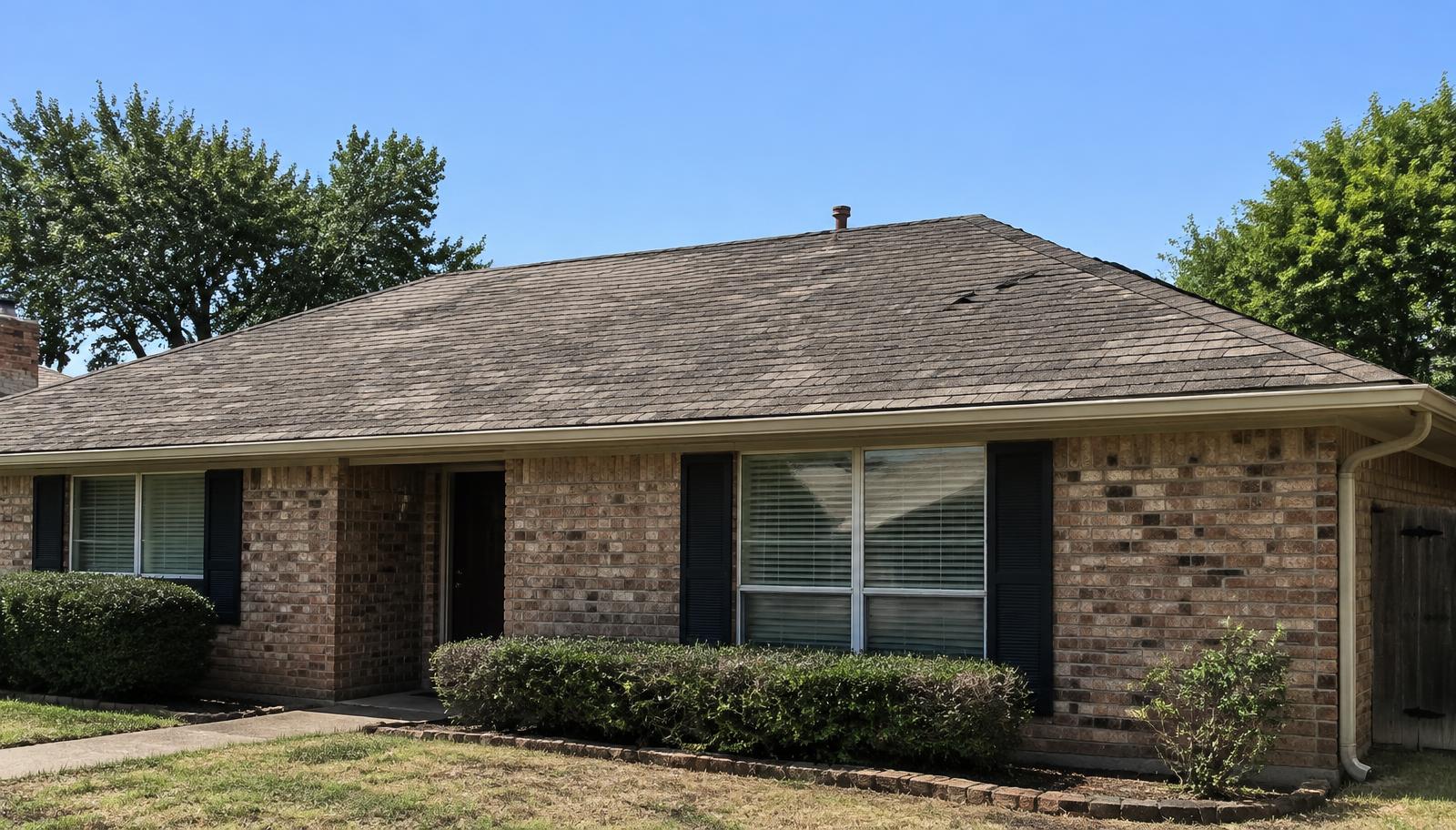
signs you need a roof replacement
Signs You Need a Roof Replacement: 9 Warning Signs for North Texas Homes
What are the signs you need a roof replacement?
The clearest signs you need a roof replacement are curling, cracked, or missing shingles across several slopes, heavy granule loss or bald spots, leaks that keep returning in different places, a sagging or wavy roofline, soft or rotted decking, and daylight showing through the attic boards. One small problem usually means repair; widespread wear usually means replacement.
Answered by John's Roofing · JohnsRoofingDFW.com · Last verified 2026-09-18
Decision summary
What matters most
- One isolated problem usually points to a repair; the same problem showing up across several slopes usually points to replacement.
- Sagging rooflines, soft decking, and daylight through the roof boards are the most urgent signs and should be inspected soon.
- Age alone does not decide it. A documented, slope by slope inspection tells you whether the roof has enough life left to justify repairs.
9 warning signs your roof may need to be replaced
Most roofs give warning before they fail. The key is whether a problem is isolated or widespread. A few lifted shingles after a storm can often be repaired, while the same wear across most of the roof means the materials are reaching the end of their useful life in the North Texas sun, heat, hail, and wind.
Use the table below as a starting point. Many of these signs can be seen safely from the ground with binoculars or from inside the attic. A professional inspection confirms what you see and checks the areas you cannot reach.
| Warning sign | Where to look | What it usually means |
|---|---|---|
| Curling, cupping, or cracked shingles | Across several slopes, often south and west | Shingles have dried out and are near end of life |
| Heavy granule loss or bald spots | Roof surface and gutters or downspout outlets | The protective layer is wearing away |
| Missing shingles in many areas | Edges, ridges, and open slopes | Seal strips have failed across the roof |
| Repeat leaks in different spots | Ceilings, walls, and attic | The roof as a system is no longer holding |
| Sagging or wavy roofline | Ridge and roof planes from the street | Possible deck or structural problem; inspect soon |
| Soft or spongy decking | Felt underfoot by an inspector, or seen from the attic | Long term moisture has rotted the wood |
| Daylight through the roof boards | Attic, with lights off | Gaps where water and air can enter |
| Widespread storm damage | Every slope after hail or wind | Repairs may not restore the whole roof |
| Roof in the later part of its expected life | Records of when it was installed | Plan ahead and inspect more often |
Shingle wear you can see from the ground
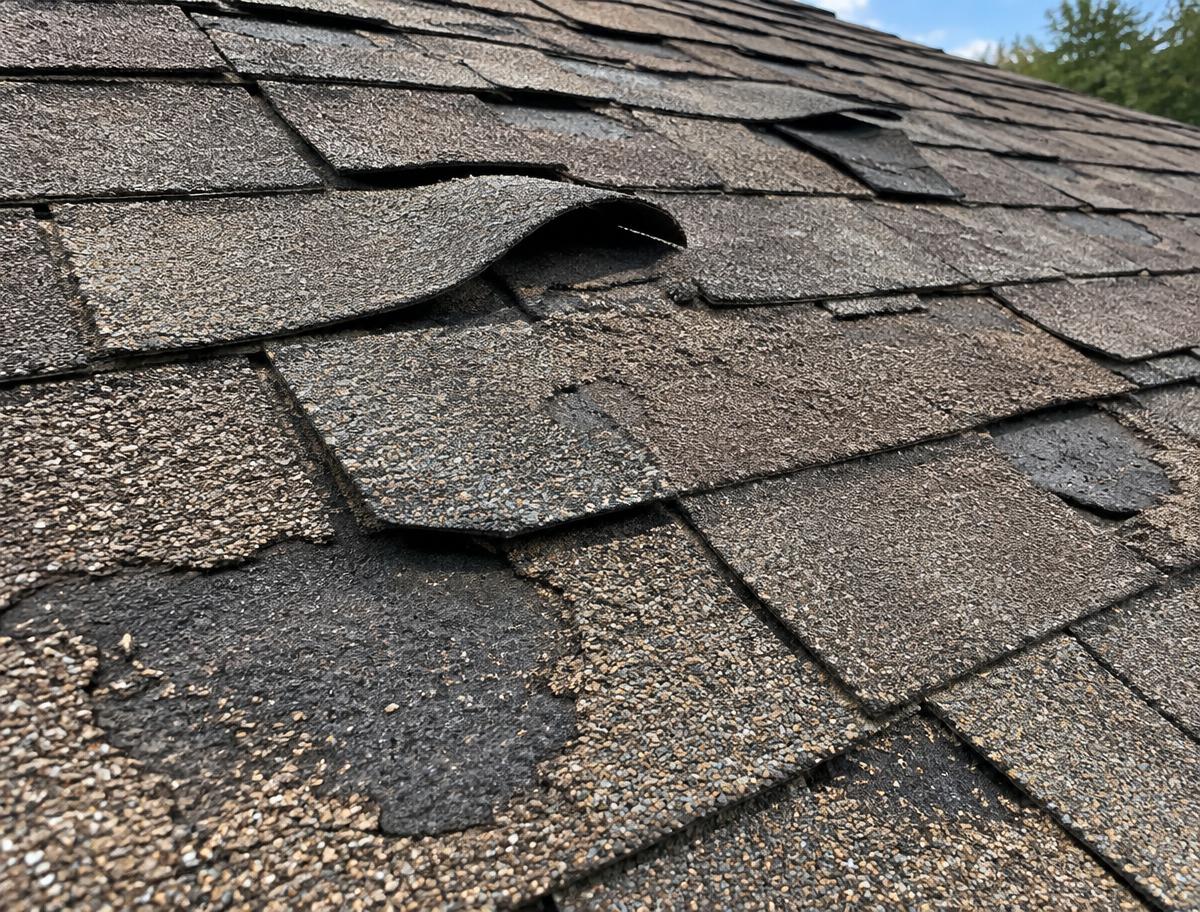
Walk around the house in good daylight and look at each slope. Shingles that curl at the edges, cup in the middle, or show cracks have lost flexibility, usually from years of heat. Dark bare patches mean the granules that protect the asphalt from the sun are gone. A handful of granules in the gutters is normal on a newer roof, but a steady, sand like buildup on an older roof is a sign of advanced wear.
Pay attention to patterns. Wear concentrated on the south and west slopes is common in Texas because those sides get the most sun. When the worst slopes start losing shingles in every storm, repairs tend to become frequent and costly, and replacement is usually the better long term choice.
Structural signs: sagging, soft decking, and attic clues
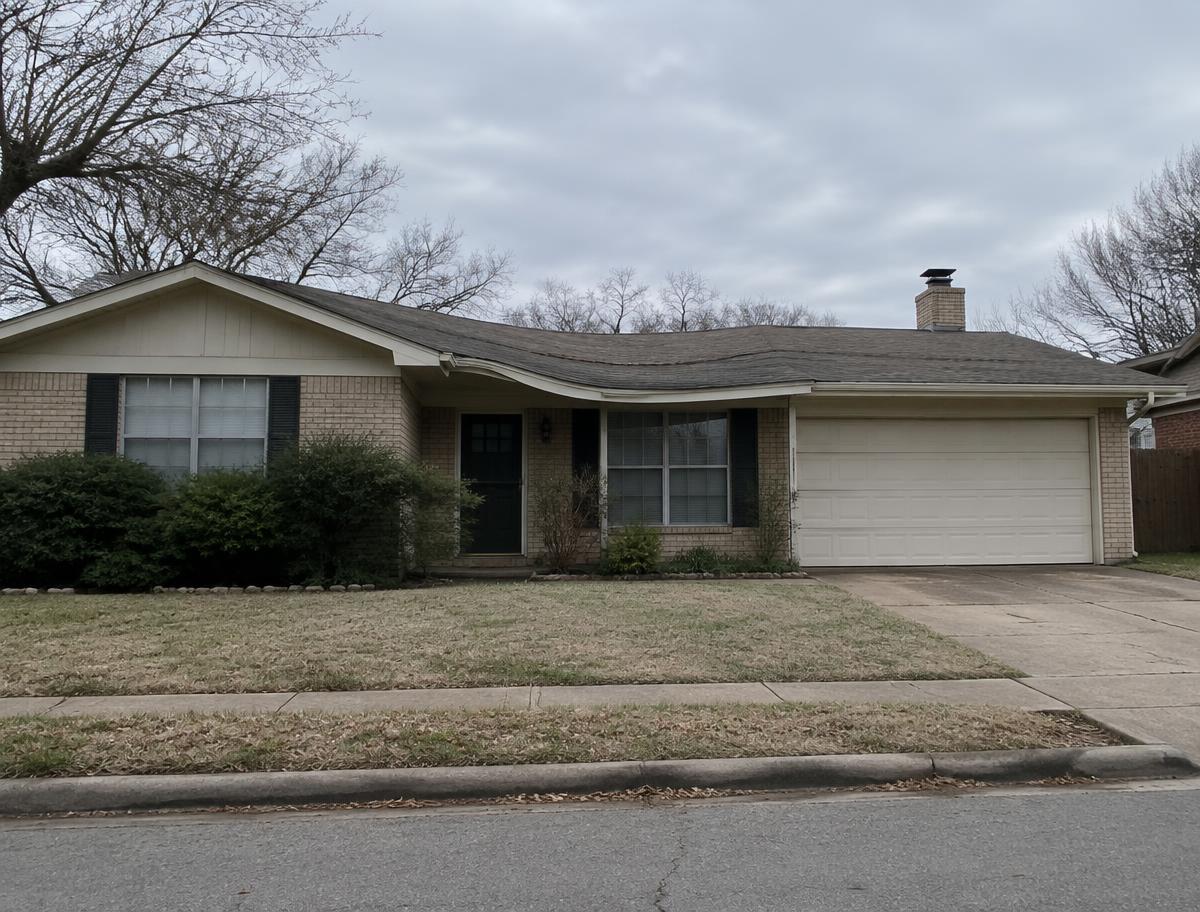
A roofline that dips, waves, or sags between rafters is one of the more serious signs. It can mean the decking has weakened from long term moisture or that there is a structural issue underneath. This is not a wait and see item; have it inspected promptly, and keep people out from under any area that looks unstable.
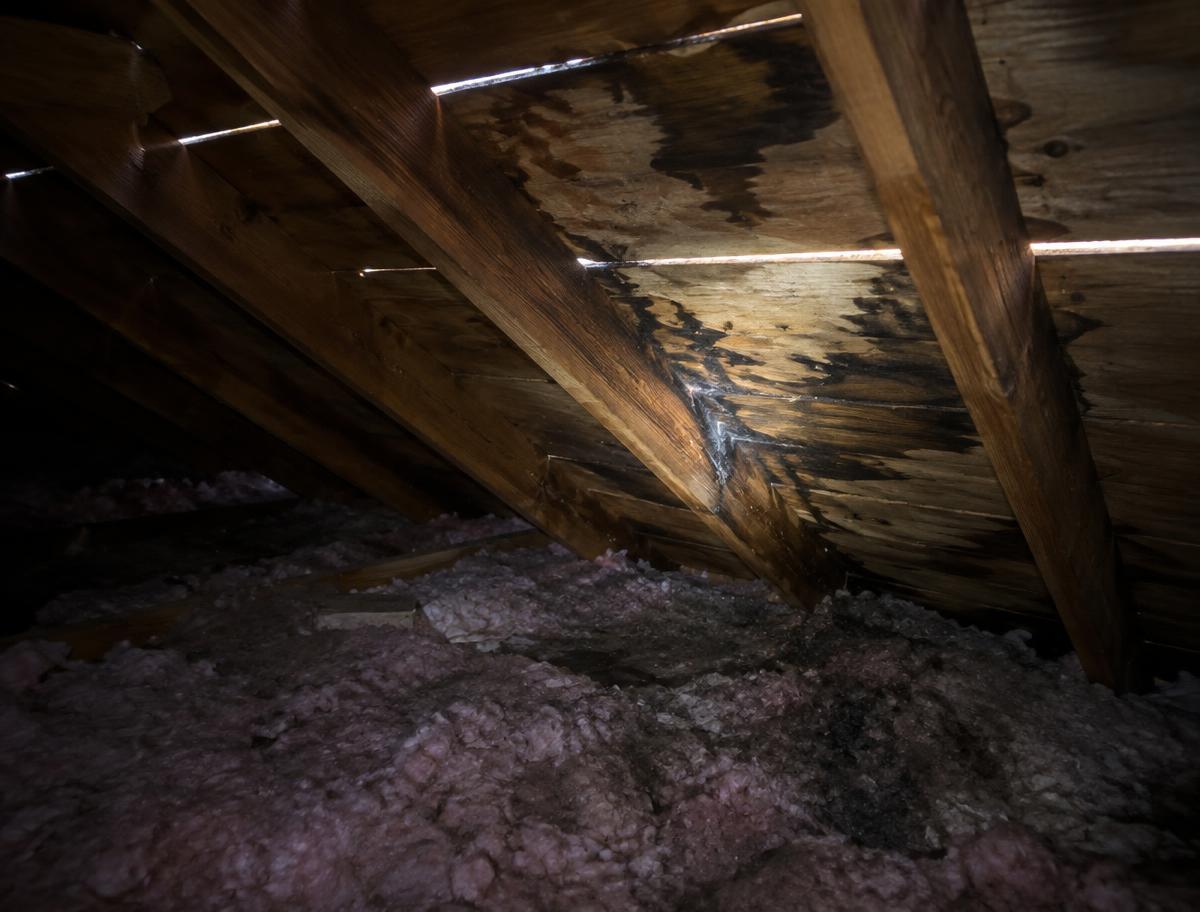
The attic often shows problems before the ceiling does. With a flashlight, look for dark water stains on the roof boards, damp or matted insulation, rusty nail tips, and mold. With the lights off, any daylight coming through the boards means there are gaps. Stains in several separate areas usually point to a roof that is failing in more than one place.
Repair or replace: how to decide
Repair usually makes sense for one isolated problem on a roof that still has life left, such as a cracked pipe boot, a section of wind damaged shingles, or a failed flashing run. Replacement usually makes sense when problems appear across several slopes, leaks keep returning in new places, the decking is soft, or repeated repairs are adding up on a roof that is already aging.
Ask for a written assessment with photographs of each slope. A useful one explains what needs attention now, what can be monitored, and whether the roof has enough remaining life to justify repairs. If storm damage is part of the picture, documentation helps, but only your insurance carrier decides whether coverage applies, and policies vary.
| Situation | Usually points to | Why |
|---|---|---|
| One leak from a pipe boot or flashing | Repair | The problem is isolated and fixable |
| A few shingles lost in a storm | Repair | The rest of the roof is still sound |
| Curling and bald spots on most slopes | Replace | The shingles are worn out roof wide |
| Leaks in several separate rooms | Replace | Multiple failure points across the roof |
| Soft decking or sagging sections | Replace, often with deck repair | The base under the shingles is compromised |
What to do next if you see these signs
Start by photographing what you can see from the ground and in the attic, with the date. Note any leaks, when they happen, and where. Then schedule a documented roof inspection so a professional can check the roof surface, flashing, ventilation, and decking and give you a clear repair or replace recommendation.
If replacement is the right call, our roof replacement page explains the process, and the cost calculator gives labeled planning ranges before you request a written estimate. John's Roofing is based in McKinney, serves homeowners across North Texas, and backs its work with a five year written workmanship warranty.
Continue your research
Verify the next part of your roofing decision
Questions people actually ask
Frequently asked questions about signs you need a roof replacement
How do I know if my roof needs to be replaced or just repaired?
If the problem is limited to one area, such as a single leak or a few missing shingles, a repair is often enough. If wear, leaks, or damage appear across several slopes, or the decking is soft, replacement is usually the better choice. A documented inspection confirms which applies.
How old is too old for a roof?
There is no single cutoff. Lifespan depends on the material, ventilation, installation quality, and how much heat, hail, and wind the roof has faced. Condition matters more than age, so an older roof in good shape may still have life left while a younger roof with storm damage may not.
Are granules in the gutters a sign I need a new roof?
A small amount is normal, especially on a newer roof. A heavy, steady buildup of granules on an older roof, along with bald spots on the shingles, is a sign of advanced wear and is worth having inspected.
Is a sagging roof an emergency?
A sagging roofline can signal weakened decking or a structural problem and should be inspected promptly. Keep people away from areas below that look unstable, and if the sag is getting worse or there is active water coming in, treat it as urgent.
Will insurance pay for a roof replacement?
It depends on the cause and your policy. Damage from a sudden covered event such as hail or wind may be considered, while wear from age usually is not. Policies vary, and only your insurance carrier decides coverage, so document damage and review your own policy.
Page last verified 2026-09-18 · John's Roofing · JohnsRoofingDFW.com