
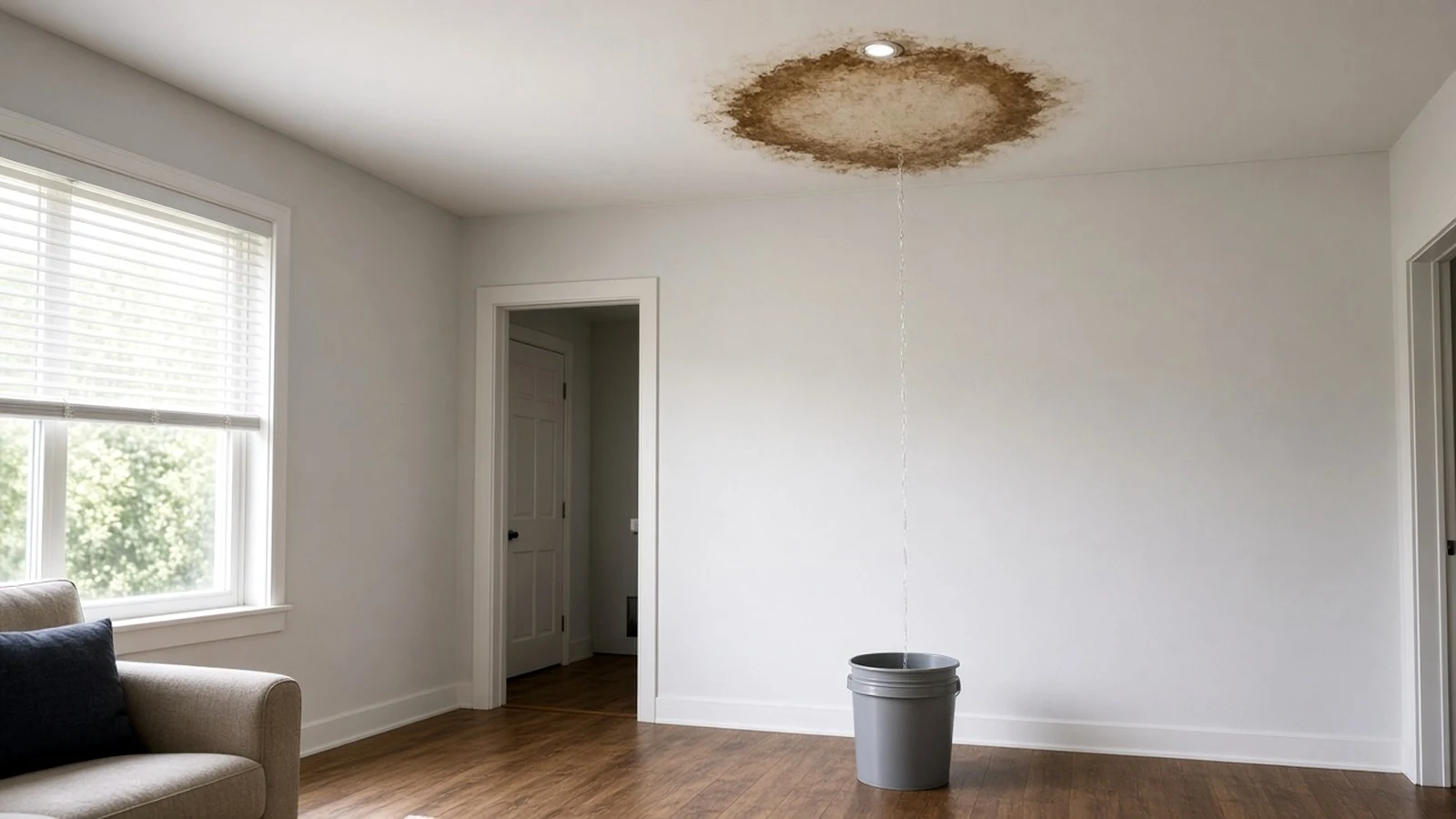
does insurance cover roof leak
Does Insurance Cover Roof Leak Damage? A Texas Guide
Does homeowners insurance cover a roof leak in Texas, and what decides whether a claim is paid?
Does insurance cover roof leak damage? Often, if the leak came from a sudden, covered event such as hail, wind or a falling tree. Most Texas homeowners policies do not cover leaks caused by wear, poor maintenance or slow seepage over time. Your policy form, deductible and the cause your insurer finds decide the answer.
Answered by John's Roofing · JohnsRoofingDFW.com · Last verified 2026-09-18
Decision summary
What matters most
- The cause of the leak matters most. Sudden storm or tree damage is often covered; age, wear and gradual seepage usually are not.
- Texas policies come in named-peril and all-risk forms, and they treat water damage differently. Read your own policy form.
- Wind and hail deductibles can be a percentage of your home's insured value, so a small leak may cost less than the deductible.
- Report hidden water damage within days, photograph it, make temporary repairs and keep receipts.
- A roofer documents the damage. Only your insurance company decides coverage.
The short answer: the cause decides coverage
Insurance covers damage, not roofs that simply wear out. The Texas Department of Insurance (TDI) says in its guide to insurance and your roof that you can file a claim if a storm, tree or something else damaged your roof, and that your insurance company won't pay for a new roof just because it's old or worn out.
Water damage follows the same logic. In its guide to water damage and mold coverage, TDI says most homeowner policies cover sudden and accidental water damage, but policies usually won't cover damage from gradual leaks or seepage.
So when a roof leaks, the question your insurer asks is what caused the opening and how long the water has been getting in. The answer to that question usually decides the claim.
How Texas policy forms treat roof leaks
Texas homeowners policies are written on forms approved by TDI. TDI's summary of Texas homeowners policies groups them into four types:
- HO-A: named perils for both the building and contents. Common perils include fire, lightning, windstorm, hail, explosion and theft.
- HO-A Plus: named perils with extra coverage, including falling objects and some coverage for sudden and accidental water discharge.
- HO-B, similar to the ISO HO 3: all risk for the building, meaning all perils unless excluded, and named perils for contents.
- HO-C, similar to the ISO HO 5: all risk for both the building and contents.
TDI notes that the all-risk forms typically exclude wear and tear; mold, fungus and rot; pests; and continuous and repeated seepage of water. On a named-peril form, the leak has to trace back to a listed peril, such as windstorm or hail.
Your declarations page names your form. If you are not sure which one you have, ask your agent before you file.
Roof leaks that are often covered
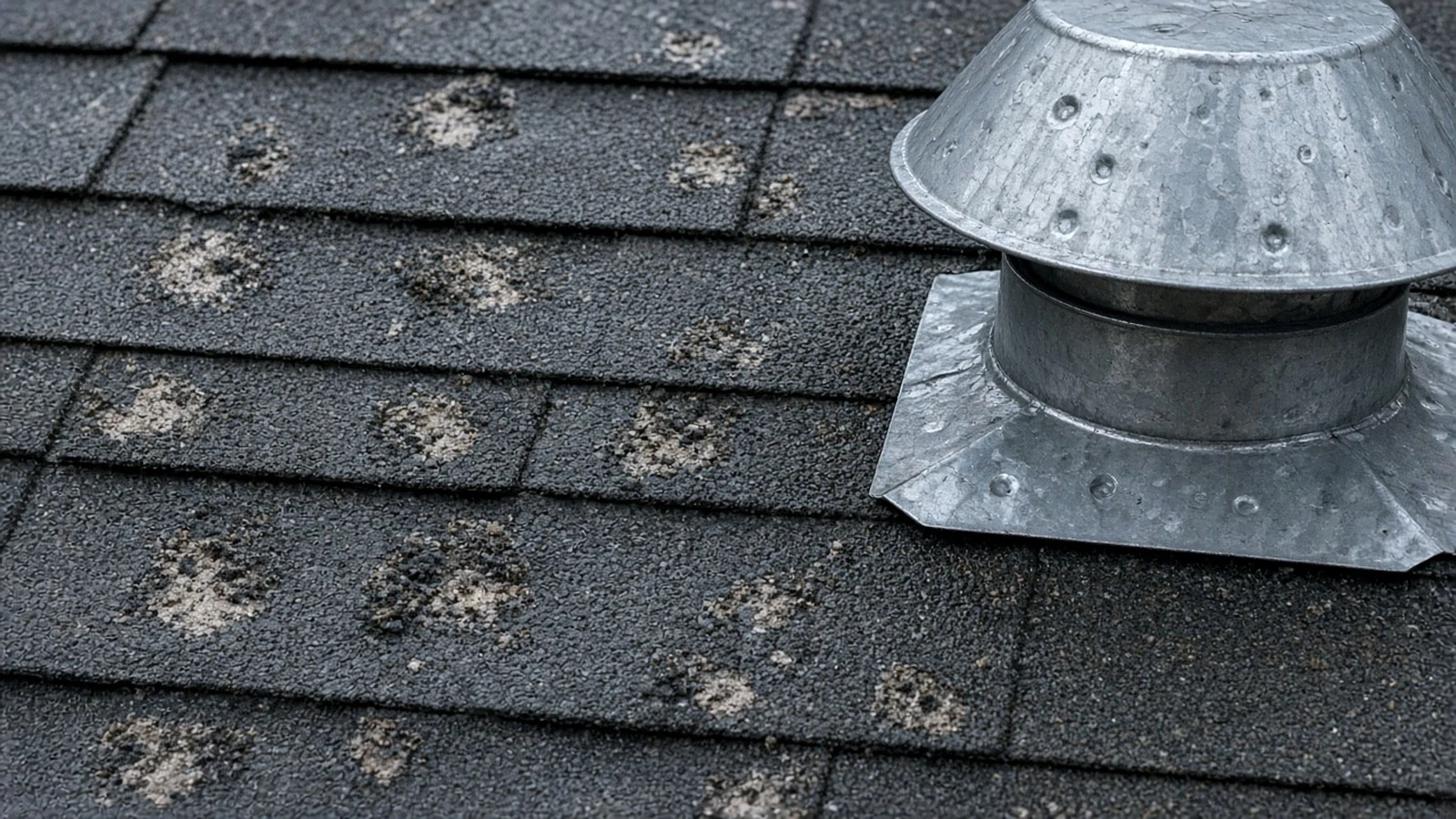
Coverage depends on your policy, but these situations are the ones most likely to be considered:
- Hail that cracks shingles or damages flashing, followed by a leak.
- Wind that lifts or tears off shingles and lets rain in.
- A tree or limb that falls on the roof during a storm.
- Interior damage to ceilings, insulation and contents from water that entered through a covered opening.
- Reasonable temporary repairs, such as a tarp, made to prevent more damage.
TDI's hail and windstorm tips say that if you have wind and hail coverage on your home policy, your insurance company should pay for your hail damage. That still depends on the carrier finding hail damage, the policy terms and your deductible.
Hypothetical example: A Prosper homeowner gets a ceiling drip the evening after a spring hailstorm. The roofer's photos show fresh hail strikes and a cracked vent cover above the stain. The homeowner reports the claim with those photos, and the carrier inspects the roof before deciding.
Roof leaks that usually are not covered
Leaks tied to age, maintenance or slow water entry are the ones most often denied. Common examples:
- Shingles that are worn out, brittle or curling from age.
- A cracked vent boot or failed sealant that has leaked a little in every rain for months.
- Clogged gutters that back water up under the roof edge.
- Rot, mold or deck damage from water that has been getting in over time.
- Damage the homeowner knew about but did not report or protect.
TDI's policy summary also shows that some carriers set time limits on water coverage. Depending on the company, the policy may exclude seepage or leakage that lasts 14 days or more, that continues over weeks, months or years, or that results in deterioration or rot.
Even when the leak itself is not covered, the repair still matters. A slow leak at a vent pipe, for example, is usually a repair job, as our guide to a roof leaking around a vent pipe explains.
What a covered claim may pay for
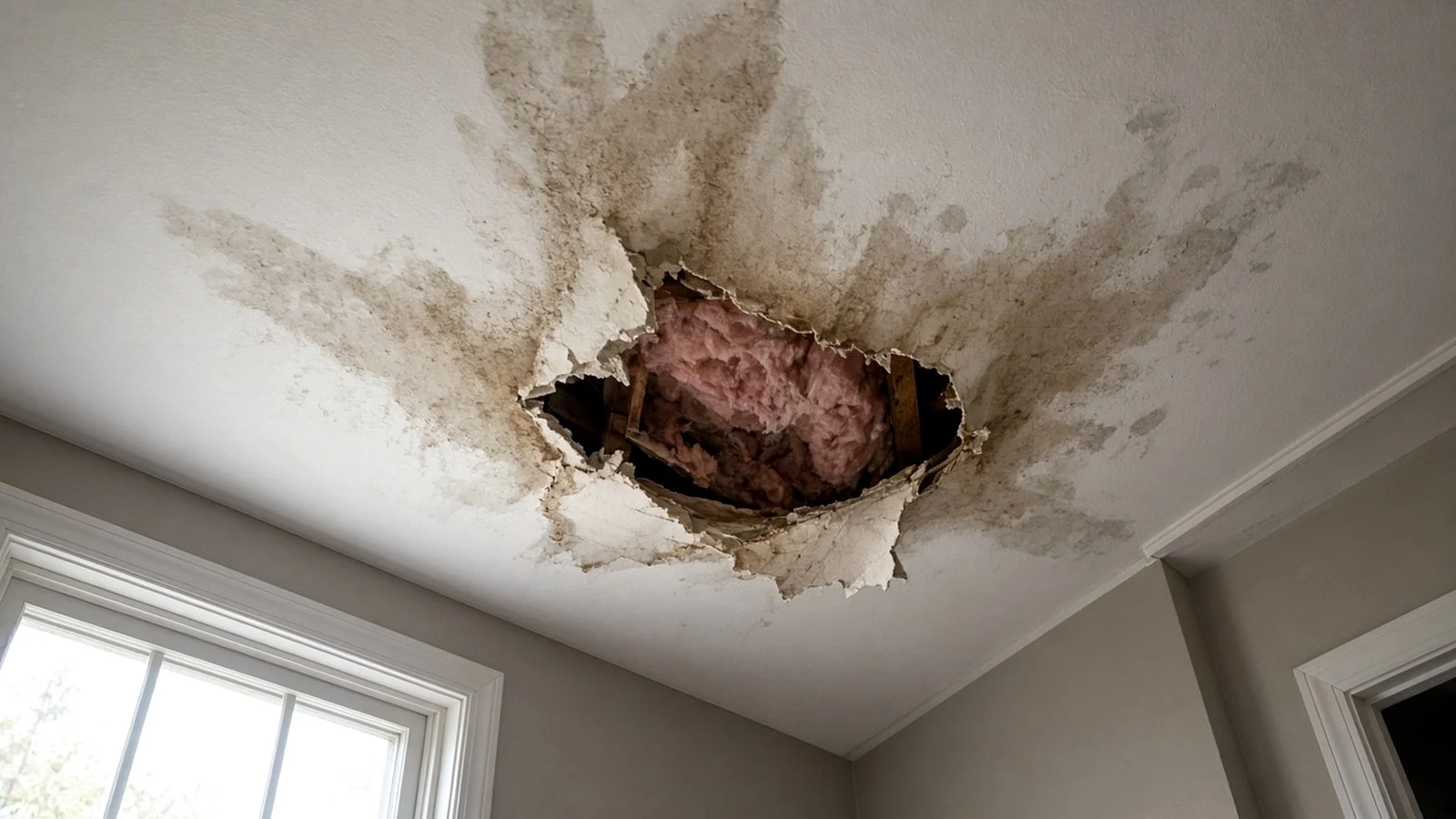
A homeowners policy has several parts, and a roof leak can touch more than one. TDI lists dwelling coverage for damage to the house, personal property coverage for belongings, and loss of use coverage for extra living expenses if you have to move out temporarily.
How much you are paid also depends on how the roof is valued. TDI explains that replacement cost coverage pays up to the full cost to repair at current prices, while actual cash value pays less for an older or worn roof.
TDI also notes that some companies switch older roofs to actual cash value at renewal, and that with replacement cost coverage the company usually pays in two checks: a partial first payment and the rest after repairs have started.
Mold is a special case. TDI says most home policies don't include mold cleanup after a damaged item is removed, though some insurers let you add that coverage for a covered loss.
Deductibles and whether to file
Your deductible can decide whether a claim is worth filing. TDI's guide to deductibles gives this example for a home insured for $150,000: with a 5 percent deductible, the deductible is $7,500, so $6,500 in roof repairs would not be paid at all.
TDI adds that home deductibles apply to each claim, and that filing small claims may affect what you pay for insurance later. Ask your agent whether your wind and hail deductible differs from your other deductibles.
In Texas, the deductible is yours to pay. TDI warns homeowners to avoid contractors who offer to waive a deductible, because it is illegal to waive a homeowners deductible under state law.
Hypothetical example: A Sachse homeowner with a 2 percent wind and hail deductible on a $300,000 dwelling limit has a $6,000 deductible. A $1,800 leak repair after a windstorm is well under that, so they pay for the repair directly and keep the photos on file.
Steps that protect a valid roof leak claim
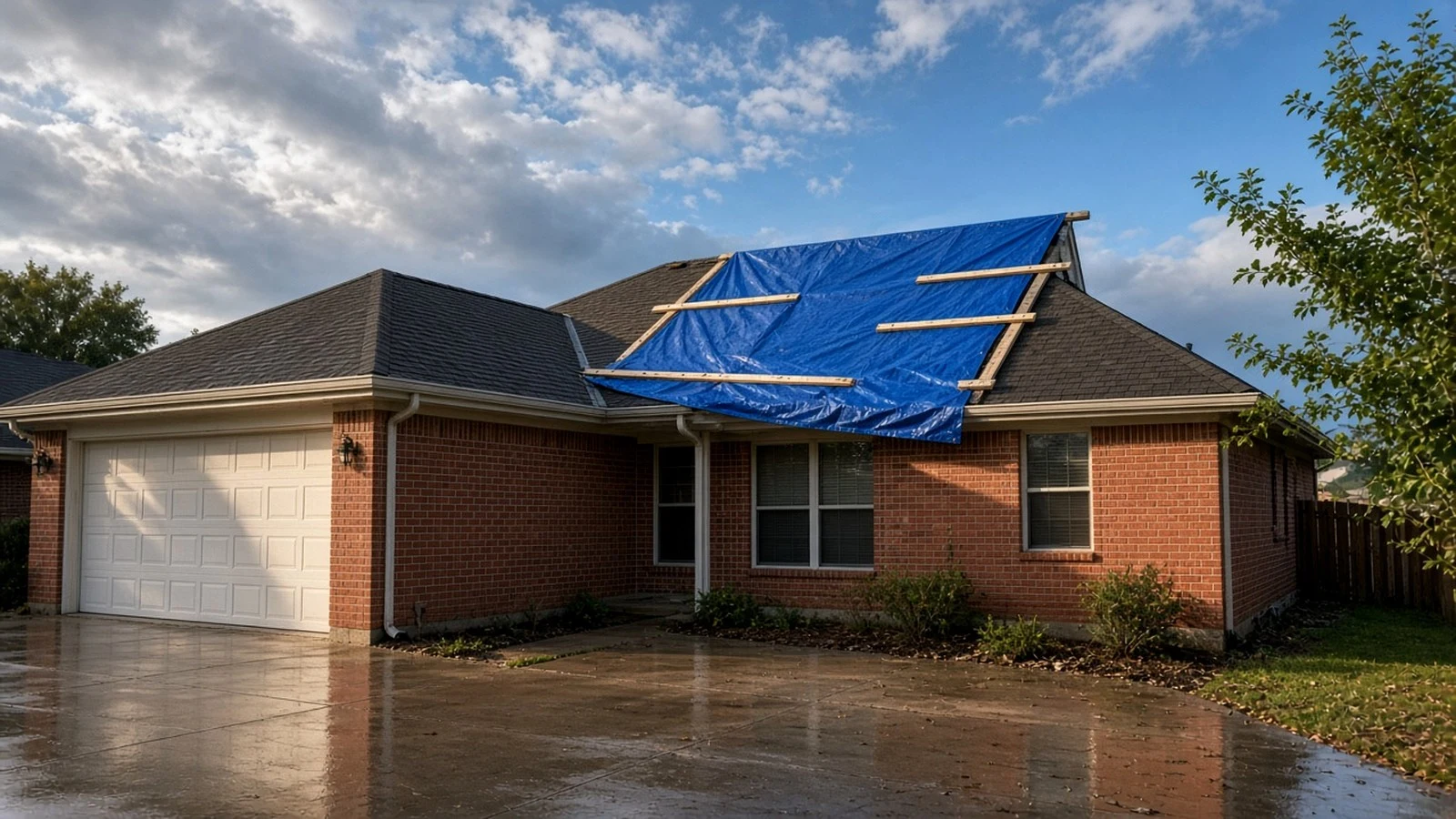
How you handle the first few days can affect a claim. TDI's water damage guide and its claim filing tips recommend these steps:
- Stop the water and protect the inside of the home. TDI notes that mold can start growing within a day after a leak.
- Tell your insurance company as soon as possible. You usually must report hidden water damage within days after you first see it.
- Take pictures or video of the damage before any repairs, inside and out.
- Make temporary repairs, such as a roof tarp, and keep every receipt.
- Don't make permanent repairs until your insurance company has seen the damage.
- Keep notes of every call with your insurer, including names and dates.
Policies also set deadlines for reporting a claim. Our page on Texas roof insurance claim deadlines explains the general timelines. If you need to cover the roof first, see how to tarp a roof, and for inside steps see how to fix a leaking roof from the inside.
Roof leak claims in DFW and North Texas
Storm-related leaks are common here. The National Weather Service Fort Worth office says severe weather peaks in spring and that large hail and damaging winds occur nearly every year somewhere in the Dallas/Fort Worth Metroplex.
Because hail and wind are the most common covered causes of roof leaks in this area, the storm date matters. Write down when the storm hit, and keep any weather alerts or news reports for your address.
After a storm, a documented inspection helps you understand what you are reporting before you call your carrier. Our guide on how to tell if your roof has hail damage explains what real hail damage looks like and what gets mistaken for it.
TDI also recommends getting more than one bid, checking references and not paying in full up front. Never sign a contract with blank spaces.
How John's Roofing helps with roof leak claims
John's Roofing is a roofing contractor, not a public adjuster. We don't negotiate claims or decide coverage. What we do is document the roof: photos of every slope, a written summary of what caused the leak and a line-item repair scope, and we can meet the adjuster on the roof. Our insurance claim help page explains the process.
If the leak turns out to be wear or maintenance, we tell you that plainly and give you a repair price, so you can decide without filing a claim that won't be paid.
Water coming in now? Call or text 469.394.4386, answered 24/7. Not urgent? Request a documented inspection and we will confirm the details before scheduling.
Sources and disclaimer
Sources
Texas Department of Insurance: When are water damage and mold covered by insurance?: https://www.tdi.texas.gov/tips/when-are-water-damage-and-mold-covered-by-insurance.html
Texas Department of Insurance: Insurance and your roof: https://www.tdi.texas.gov/tips/replacing-your-roof.html
Texas Department of Insurance: Texas Homeowners Policies (April 2018): https://tdi.texas.gov/reports/documents/texas-homeowners-policies-04122018.pdf
Texas Department of Insurance: What to know about deductibles: https://www.tdi.texas.gov/tips/deductibles.html
Texas Department of Insurance: Hail damage to your home or car? What to do next: https://www.tdi.texas.gov/tips/after-hail-or-windstorms.html
Texas Department of Insurance: Tips for filing a claim with your insurance company: https://www.tdi.texas.gov/consumer/claimtips.html
National Weather Service Fort Worth: Dallas/Fort Worth Climate Narrative: https://www.weather.gov/fwd/dfw_narrative
Disclaimer: This article is general information for Texas homeowners, not legal or insurance advice. Coverage depends on your policy, your carrier's investigation and Texas law. John's Roofing is a roofing contractor, not a public adjuster, and does not decide coverage or negotiate claims.
Continue your research
Verify the next part of your roofing decision
Questions people actually ask
Frequently asked questions about does insurance cover roof leak
Does homeowners insurance cover roof leaks?
It can. Most Texas homeowners policies cover sudden and accidental water damage from a covered event, such as hail, wind or a falling tree. They usually do not cover leaks from wear, poor maintenance or gradual seepage. Your policy form and the cause your insurer finds decide the answer.
Will insurance pay to replace an old roof that leaks?
Not because of age alone. The Texas Department of Insurance says your insurance company won't pay for a new roof just because it's old or worn out. If a storm damaged the old roof, that damage may be covered, but older roofs are sometimes paid at actual cash value.
Is interior water damage from a roof leak covered?
If the water entered through a covered opening, such as storm damage, interior damage to ceilings, insulation and belongings may be covered under the dwelling and personal property parts of your policy. Damage from long-term leaking or mold is often excluded.
How long do I have to report a roof leak to insurance?
Report it as soon as possible. TDI says you usually must report water damage that was hidden from view within days after you first see it, and your policy sets the deadline for storm claims. See our Texas roof insurance claim deadlines page.
Should I file a claim for a small roof leak?
Compare the repair cost with your deductible first. If the repair costs less than your deductible, the claim would not pay, and TDI notes that filing small claims may affect your future premiums. A documented inspection can help you decide.
Will insurance cover a roof tarp for a leak?
Often, if the damage is covered. TDI says policies may require reasonable temporary repairs to prevent further damage and that the policy covers the cost of those repairs. Keep the receipts and photos.
Can a roofer pay or waive my deductible in Texas?
No. TDI says it is illegal to waive a homeowners deductible under Texas law, and your insurance company may ask for proof that you paid it. Avoid any contractor who offers to cover it.
Page last verified 2026-09-18 · John's Roofing · JohnsRoofingDFW.com