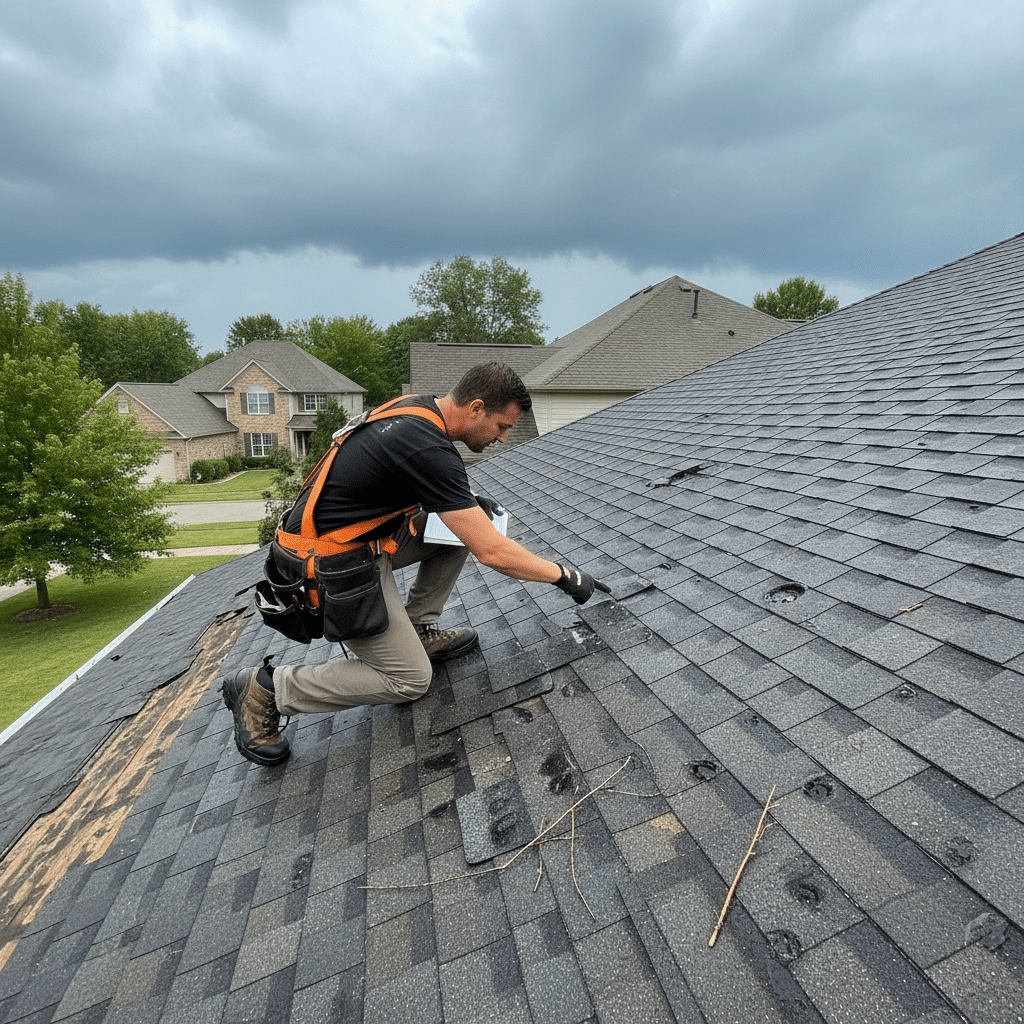
The skies over Dallas-Fort Worth clear, the sun comes out, and a sense of relief washes over you after a severe storm. While the immediate danger has passed, a hidden threat could be lingering right above your head. In North Texas, a powerful storm—whether it brings high winds, torrential rain, or the dreaded hail—is a call to action for every responsible homeowner. Scheduling a professional roof inspection is not just a suggestion; it’s an essential step in protecting your home from potentially catastrophic and costly damage.
Ignoring a post-storm inspection is a gamble you can’t afford to take. What may seem like minor or even invisible damage can quickly evolve into a major structural problem, leading to leaks, rot, and mold. This guide will explain why a prompt, professional roof inspection is critical after a DFW storm, what experts look for, and how it can save you thousands in the long run.
The Hidden Damage Storms Leave Behind
You might look up at your roof from the yard and think everything looks fine. However, the most destructive types of storm damage are often invisible to the untrained eye. DFW storms are notorious for causing specific issues that compromise your roof’s integrity.
Wind Damage: More Than Just Missing Shingles
Hurricane-force gusts are not uncommon in North Texas thunderstorms. This powerful wind creates uplift pressure on your roof.
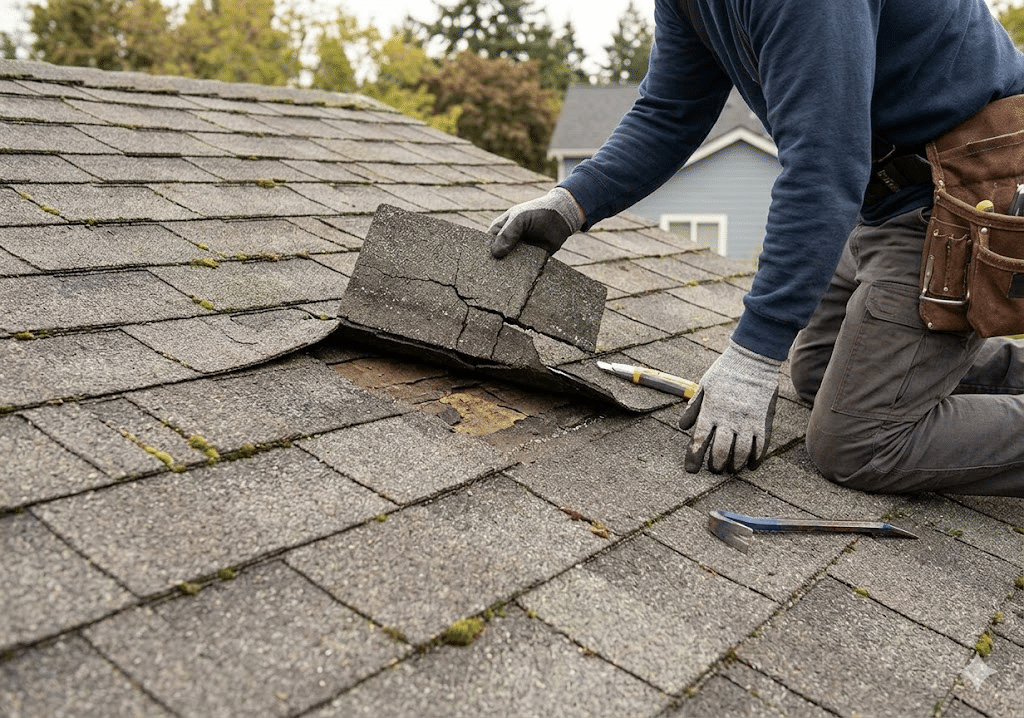
- Lifted and Creased Shingles: Wind can get underneath the edges of your shingles, lifting them and breaking the watertight seal that holds them down. Even if the shingle settles back into place, that broken seal creates a clear entry point for rain. The wind can also bend a shingle back so far that it creates a permanent crease, which is a significant weak point that will eventually crack and fail.
- Debris Impact: High winds turn small branches, loose objects, and other debris into projectiles that can strike your roof, cracking shingles or puncturing the roof deck.
Hail Damage: The Silent Destroyer
Hail is perhaps the most deceptive culprit. It doesn’t always leave obvious holes, but its impact is incredibly harmful.
- Bruising and Granule Loss: Hailstones strike your asphalt shingles with immense force, creating “bruises” or soft spots in the asphalt layer. This impact also knocks off the protective granules that shield the shingle from UV rays and water. Without this top layer, the shingle becomes brittle and deteriorates at a rapid pace.
- Cracking and Fracturing: Larger hailstones can crack the shingle or even fracture the underlying fiberglass mat. These tiny cracks are often impossible to see from the ground but will channel water directly into your home’s structure.
A professional roofer is trained to identify these subtle but critical signs of damage across your entire roof system, not just the easily visible areas.
The High Cost of Delaying an Inspection
Waiting to see if a leak appears is a reactive and risky strategy. By the time you spot a water stain on your ceiling, the damage has already been done. Water has likely been seeping into your attic for weeks or even months, creating a cascade of problems.
From Small Leak to Major Restoration
An unchecked leak can lead to:
- Rotted Roof Decking: The wood sheathing that forms the foundation of your roof can rot, soften, and lose its structural integrity. This can lead to a sagging roof, a much more complex and expensive problem to fix.
- Saturated and Ineffective Insulation: Once attic insulation gets wet, it becomes compressed and loses its ability to insulate. This means higher energy bills as your HVAC system works overtime to cool or heat your home. Wet insulation is also a breeding ground for mold.
- Mold and Mildew Growth: The combination of moisture, warmth, and organic material (like wood and drywall) in an attic creates the perfect environment for mold. Mold remediation is a specialized and costly process, and its presence can pose serious health risks to your family.
- Damaged Interior Finishes: What begins in the attic will eventually make its way into your living space, ruining ceilings, walls, light fixtures, and flooring.
A prompt inspection allows you to catch the problem at its source—on the roof—before it infiltrates the rest of your home. A simple shingle repair is infinitely cheaper and less disruptive than a full-scale interior and structural restoration.
Your Key to a Successful Insurance Claim
If your roof has sustained significant storm damage, your homeowner’s insurance policy will likely cover the cost of repairs or a full replacement. However, the success of your claim often hinges on a timely and thorough professional inspection.
Documentation is Everything
When you file an insurance claim, your provider will send an adjuster to assess the damage. Having a report from a reputable roofing contractor before the adjuster arrives gives you a significant advantage.
- Professional Validation: A detailed report from a trusted local roofer serves as expert third-party documentation of the storm’s impact. It validates your claim and shows the insurance company that the damage is legitimate.
- A Comprehensive Assessment: Your contractor is your advocate. They are trained to find all related damage—including on gutters, vents, and flashing—that an adjuster might overlook. Their goal is to ensure your roof is restored to its pre-storm condition, which means accounting for every single point of failure.
- Navigating the Process: An experienced DFW roofer understands the insurance claims process. They know what adjusters look for and can provide the specific documentation and photos required to expedite your claim. Many contractors will even meet the adjuster at your property to walk the roof with them, pointing out damage to ensure nothing is missed.
Most insurance policies have a time limit for filing claims after a storm. Waiting too long could jeopardize your ability to get the coverage you’ve been paying for.
What to Expect During a Professional Inspection
When you call a reputable DFW contractor for a post-storm inspection, they will conduct a comprehensive assessment of your entire roofing system. This includes:
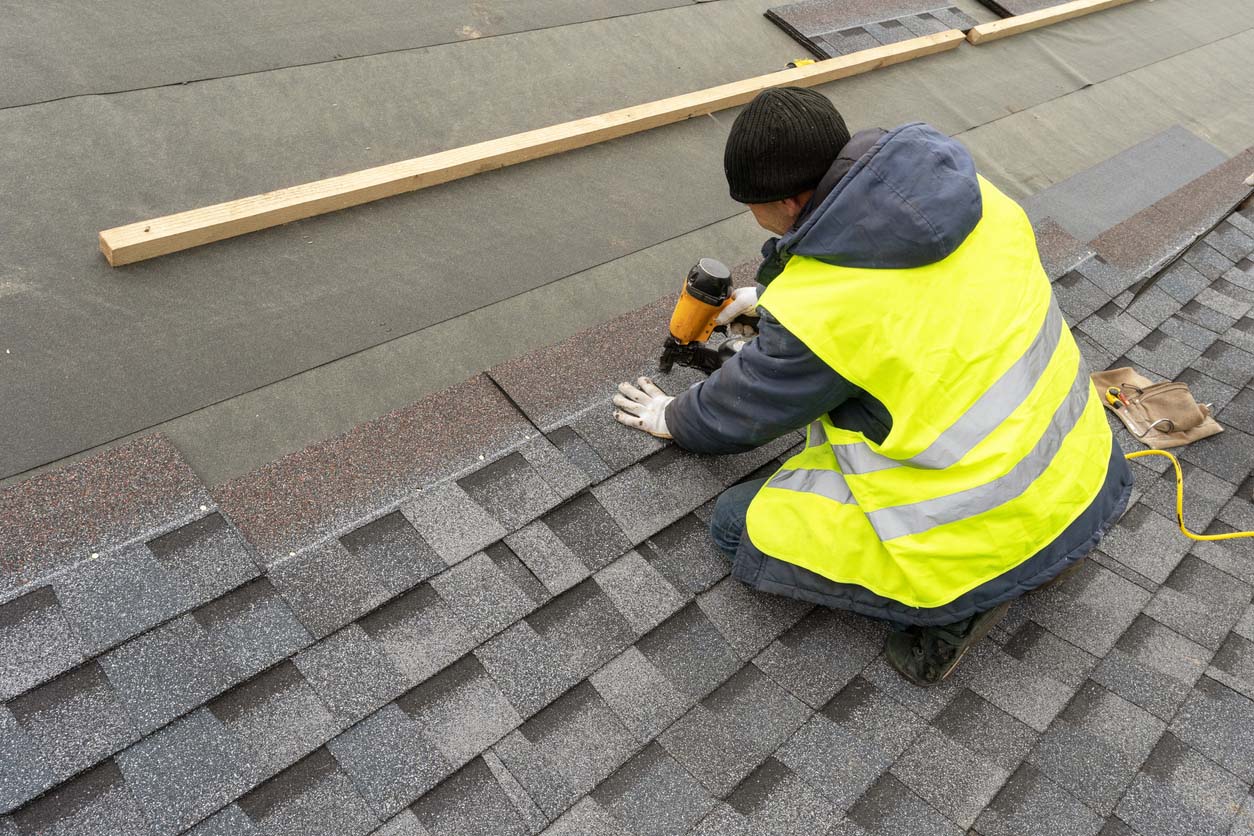
- A Safe, On-Roof Evaluation: They will physically and safely walk the entire surface of your roof, examining shingles for cracks, bruises, and granule loss.
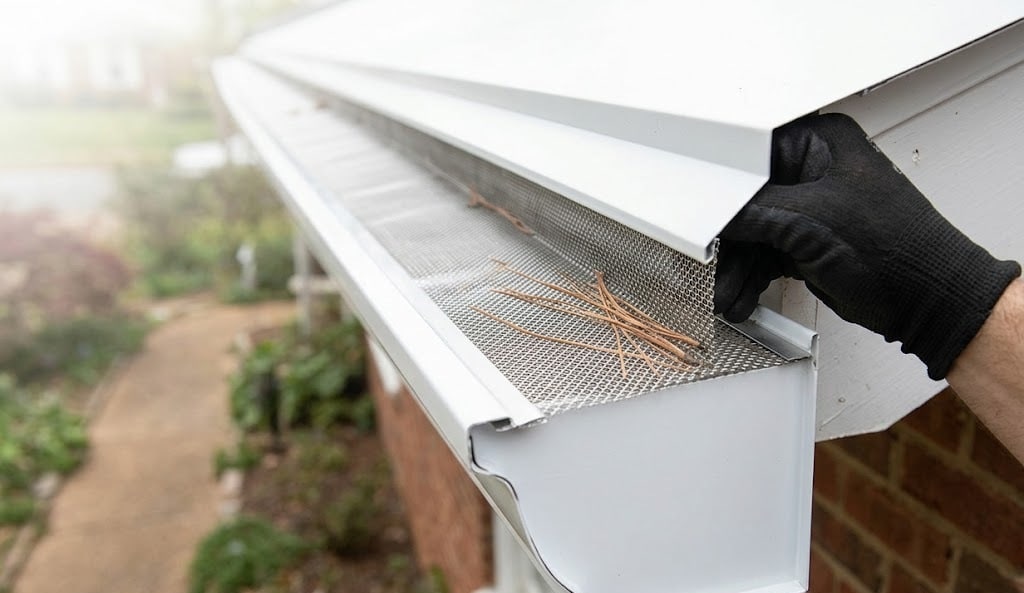
- Inspection of All Components: They will check flashing around chimneys, skylights, and vents, as these are common failure points. They will also inspect gutters, vents, and siding for dents and other signs of hail or wind damage.
- Attic Check: The roofer will often ask to check your attic for signs of water intrusion, such as damp insulation or stains on the underside of the roof deck.
- A Detailed Report: Following the inspection, you should receive a written report, complete with photos, detailing their findings and recommendations. This report is your roadmap for moving forward, whether it involves a simple repair or filing an insurance claim.
Protect Your Home and Your Peace of Mind
The next time a major storm rolls through the DFW area, don’t leave your home’s safety to chance. The risk of inaction is simply too high. By scheduling an immediate professional roof inspection, you are taking the single most important step toward protecting your property, preventing costly future repairs, and ensuring a smooth insurance process if needed. It’s a small investment of time that provides invaluable security and peace of mind.