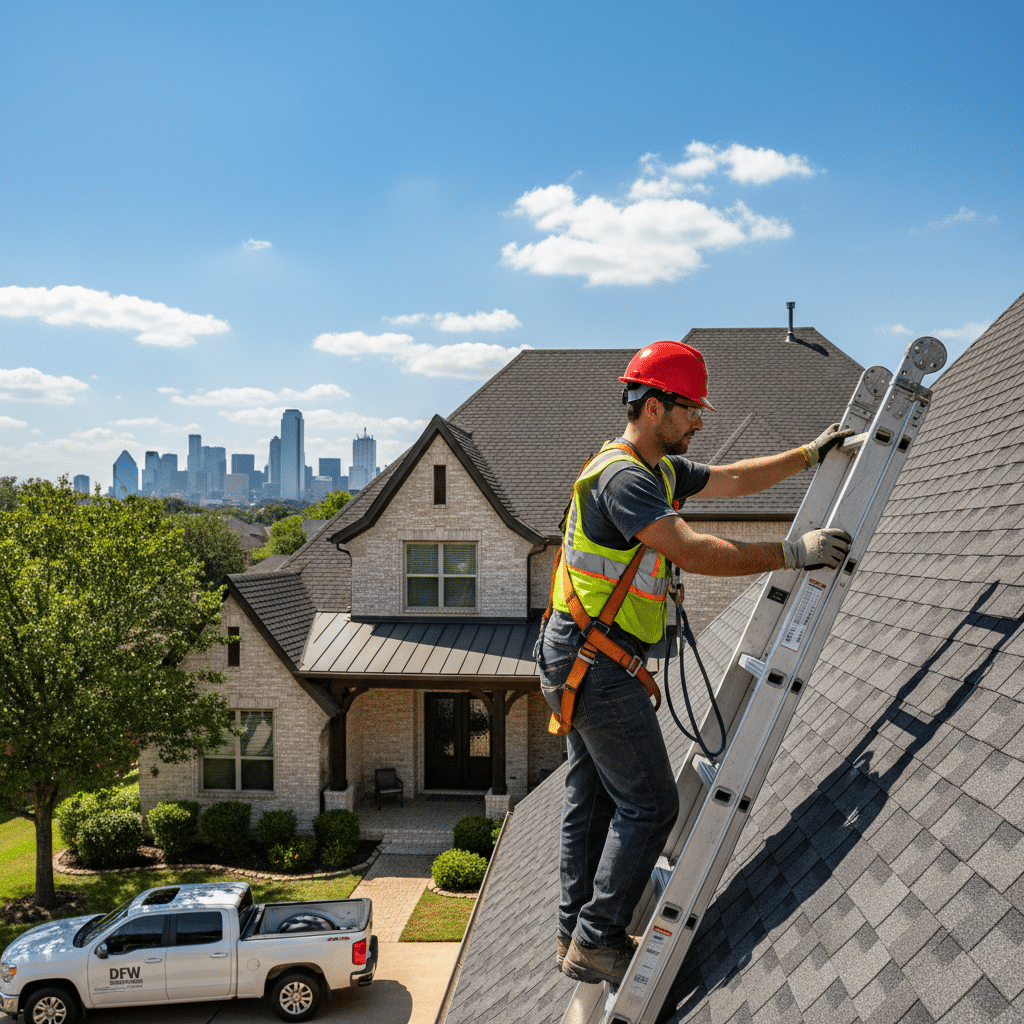
Your roof is the first line of defense for your home, protecting it from the intense Texas sun, heavy rains, and unpredictable hail storms. But how do you know when this crucial shield is compromised? Many homeowners only realize they have a problem when water is already dripping into their living room. Spotting the early warning signs of roof damage can save you from costly and extensive repairs down the road.
As a leading DFW roofing contractor, we’ve seen it all. This guide will walk you through the top five signs that your roof needs professional attention. We’ll cover what to look for, what it means, and when it’s time to call for help.
1. You Have a Leaky Roof or Water Stains
This is perhaps the most obvious and urgent sign of a roofing problem. Water intrusion can cause serious structural damage, mold growth, and ruined insulation if left unaddressed.
What to Look For:
- Ceiling Stains: Discolored patches, usually brown or yellow, on your ceilings or walls are a classic sign of a leak. They can appear far from the actual roof leak as water travels along rafters and drywall.
- Dripping Water: Active drips during or after a rainstorm are a clear signal that your roof’s barrier has been breached.
- Musty Odors: A persistent musty smell in your attic or upper floors can indicate hidden moisture and potential mold growth from a slow, undetected leak.
What It Means:
Leaks can stem from various issues, including cracked flashing around vents and chimneys, missing or damaged shingles, or ice dams in colder weather. Finding the source requires a professional eye, as the entry point on the roof may not be directly above the stain you see inside. If you notice any of these signs, it’s time to seek professional roof repair in Dallas.
2. Missing, Cracked, or Curling Shingles
Your shingles are the primary layer of protection against the elements. When they start to fail, your entire roofing system is at risk. A quick visual inspection from the ground can often reveal problems.
What to Look For:
- Missing Shingles: After a significant storm, check for bare patches on your roof. High winds common in the DFW area can easily tear shingles off.
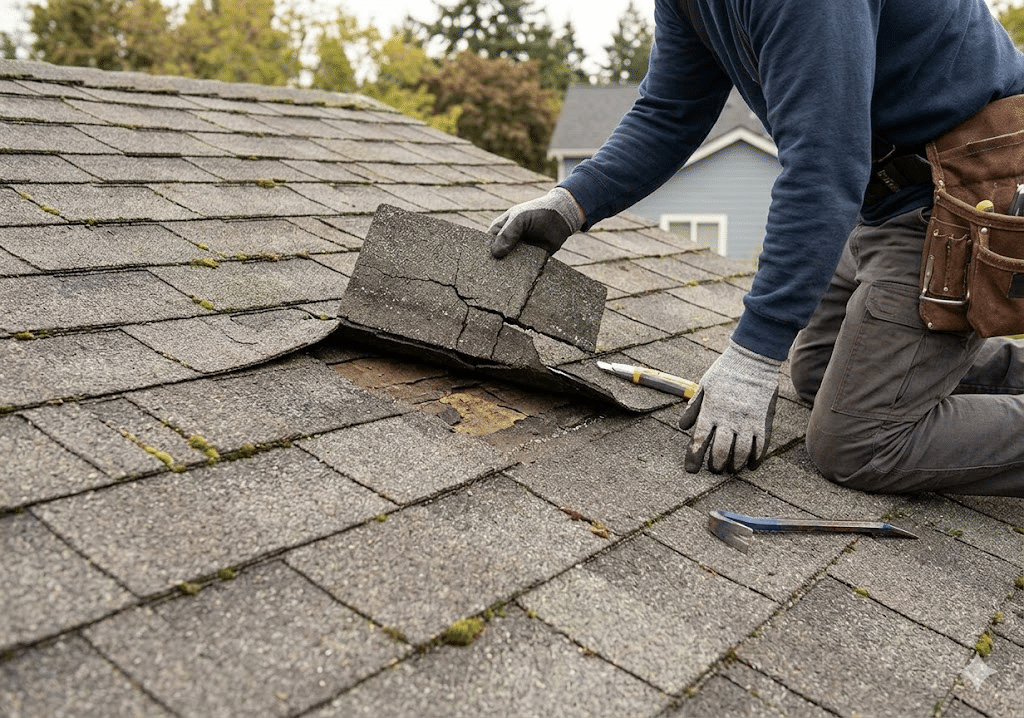
- Cracked Shingles: Thermal shock, caused by drastic temperature fluctuations from hot sun to cool rain, can cause shingles to crack over time.
- Curling or Buckling: As shingles age, their edges may start to curl upwards or buckle in the middle. This is a sign that they are past their effective lifespan and are no longer sealing properly.
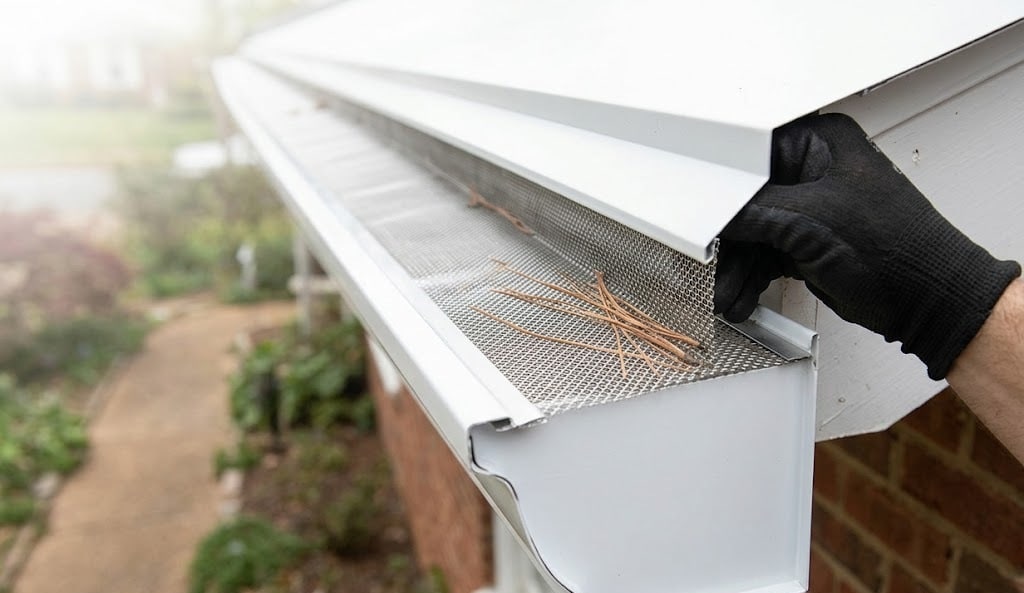
- Granules in Gutters: Check your gutters for an accumulation of asphalt granules. These small, sand-like particles coat your shingles and protect them from UV rays. When they wash away, it means your shingles are deteriorating.
What It Means:
Damaged shingles expose the underlying roof deck to moisture and UV radiation, accelerating wear and tear. A few missing shingles can often be replaced, but widespread cracking or curling suggests it might be time for a more comprehensive repair or even a full replacement.
3. Obvious Storm Damage
The Dallas-Fort Worth metroplex is no stranger to severe weather. Hail, high winds, and torrential rain can inflict significant damage in a very short amount of time. A post-storm inspection is crucial for every homeowner.
What to Look For:
- Hail Damage: Look for circular dents or “bruises” on your shingles, vents, and flashing. Hail can crack shingles and compromise their integrity without being immediately obvious from the ground.
- Wind Damage: Check for lifted or creased shingles, which indicate that the wind has weakened their seal. You may also find entire sections of shingles missing.
- Fallen Debris: Large branches or other debris can puncture your roof, creating immediate entry points for water.
What to Do Next:
If you suspect damage, it’s important to act quickly. Document the damage with photos for your insurance claim and call a specialist in storm damage roof repair. A qualified DFW roofing contractor can perform a thorough inspection, provide a detailed report for your insurer, and complete the necessary repairs to secure your home.
4. Sagging Roof Deck
A sagging roof is a serious red flag that requires immediate professional evaluation. It indicates a potential structural issue that could compromise the safety of your home.
What to Look For:
From the outside, you may notice a visible dip, curve, or “saddleback” in the ridgeline of your roof. From inside the attic, look for rafters that are bent, cracked, or appear waterlogged.
What It Means:
A sagging roof is often caused by water damage that has rotted the decking or, in severe cases, the underlying support joists. It can also be a result of improperly sized or spaced rafters or the weight of too many layers of old shingles. This is not a DIY fix; it is a structural problem that needs an expert assessment right away.
5. Your Roof is Old
Even the best-maintained roof has a finite lifespan. Knowing the age of your roof can help you anticipate when it will need to be replaced.
How to Tell:
Most asphalt shingle roofs in North Texas last between 20 and 30 years. If your roof is approaching this age, it’s wise to start budgeting for a replacement, even if there are no obvious signs of failure. Neighbors getting new roofs can also be a cue, as homes in the same development were likely built around the same time with similar materials.
Why Age Matters:
Over two decades of exposure to DFW’s heat, sun, and storms will naturally break down roofing materials. The seals weaken, shingles become brittle, and the roof loses its ability to effectively shed water. Proactively replacing an old roof is far less stressful and costly than dealing with an emergency failure.
Choosing a Reliable DFW Roofing Contractor
When your roof needs attention, you need a partner you can trust. Look for a contractor who is:
- Local and Established: A DFW roofing contractor with a long history in the community is accountable and knowledgeable about local weather challenges.
- Licensed and Insured: Always verify that the contractor carries full liability and worker’s compensation insurance to protect you and your property.
- Highly Reviewed: Check online reviews and ask for references from past customers.
- Transparent: A reputable roofer will provide a detailed, written estimate and clearly explain the scope of work.
Don’t wait for a small issue to become a major disaster. If you’ve noticed any of these five signs, contact us today for a professional, no-obligation roof inspection. We can help you assess the condition of your roof and provide a clear plan to keep your home safe and dry.