Roof Installation in DeSoto, TX
A roof should do more than just cover your home. It should handle heat, storms, and daily exposure without constant issues. When planning roof installation in DeSoto, TX, the goal is to build a roofing system that performs reliably and fits the structure of your home.
A well-planned installation improves protection, supports energy efficiency, and gives your home a clean, finished look.
Built for DeSoto Weather Conditions
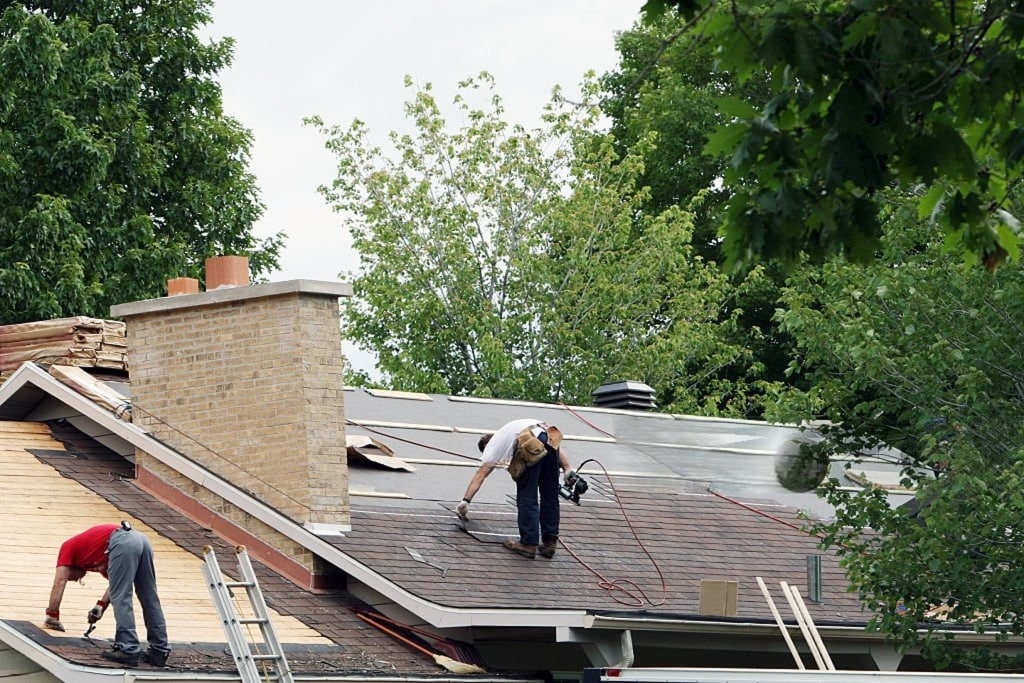
Homes in DeSoto face a mix of high temperatures, seasonal storms, and sudden weather changes. These conditions can put stress on roofing materials over time.
A properly installed roof helps manage:
- Heat buildup during long summers
- Heavy rain and storm impact
- Wind-driven damage
- Moisture entering the structure
Without the right installation approach, even new roofs can develop problems early.
Planning the Right Roofing System
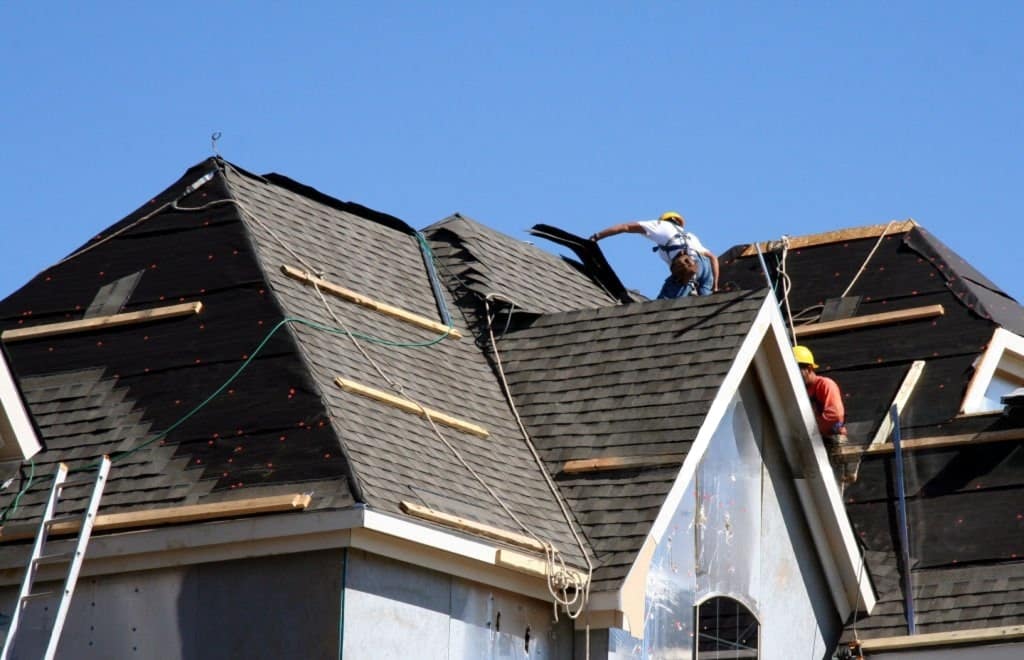
Roof installation starts with choosing a system that matches your home and long-term needs. The material you select affects durability, maintenance, and overall performance.
Common choices include:
- Architectural shingles for balanced performance and cost
- Metal roofing for long-term durability and resistance
- Tile roofing for a stronger and more defined appearance
The slope of your roof, attic structure, and ventilation setup also influence the final decision. A proper match between these elements improves how the roof performs over time.
What Happens During Installation
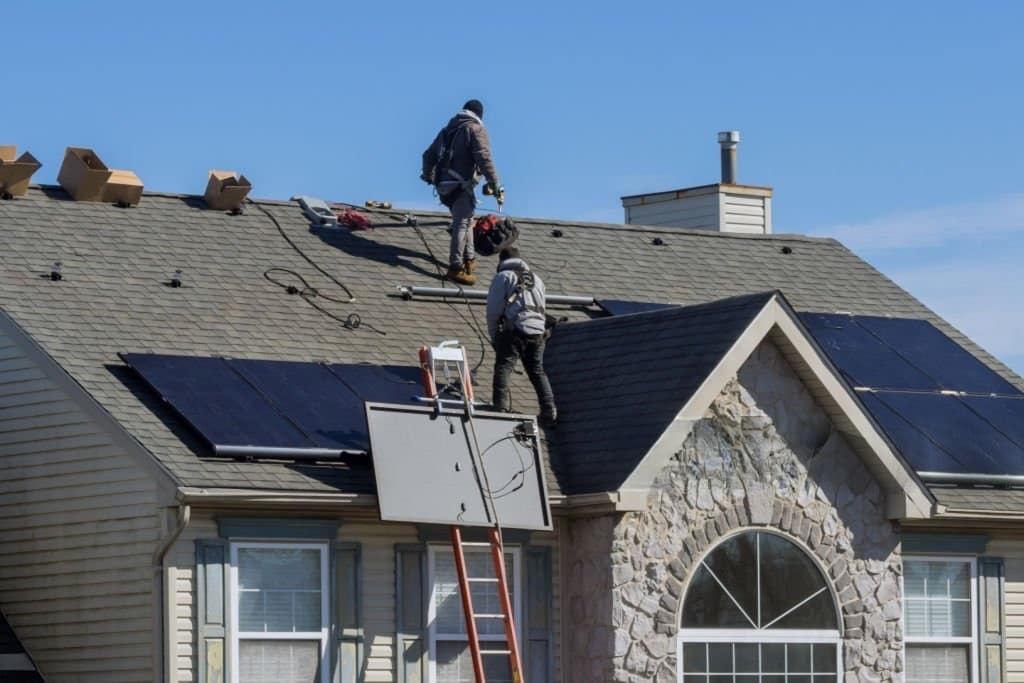
A professional roof installation in DeSoto, TX, follows a process that focuses on preparation and detail, not just speed.
Structural Check
The roof deck and supporting areas are inspected to confirm they are ready for new materials.
System Setup
Protective layers are added first, including moisture barriers and underlayment.
Material Installation
Shingles, panels, or tiles are installed with attention to alignment, sealing, and durability.
Ventilation and Sealing
Proper airflow and sealing points are addressed to reduce heat buildup and moisture issues.
Final Review
The finished roof is inspected, and the site is cleaned to leave the property in good condition.
When Replacement Becomes the Better Option
Repairs can fix minor issues, but some signs indicate that a full replacement is the smarter choice.
Look for:
- Ongoing leaks in different areas
- Uneven or sagging roof sections
- Shingles that continue to loosen or break
- Storm damage affecting large sections
- A roof that has reached the end of its lifespan
Replacing the roof at the right time helps prevent deeper structural concerns.
Focus on Performance, Not Just Appearance
A new roof should look good, but performance matters more. A well-installed roofing system improves how your home handles heat, moisture, and airflow.
Key benefits include:
- Better temperature control inside the home
- Reduced risk of water damage
- Lower maintenance over time
- Stronger overall structure protection
When installation is done correctly, the roof becomes a long-term solution instead of a short-term fix.
Get Started with Roof Installation in DeSoto, TX
A new roof is an investment in your home’s protection and value. Choosing the right system and installation approach makes a noticeable difference over time.
If you are considering roof installation in DeSoto, TX, contact us today to schedule an estimate and review your options.
A properly installed roof strengthens your home, improves its appearance, and helps avoid future issues. Reach out today to move forward with confidence.
Frequently Asked Questions
How is roof installation different from roof repair?
Roof installation replaces the entire system, while repair addresses specific problem areas. Installation is often the better choice for older or heavily damaged roofs.
What factors affect the cost of roof installation in DeSoto, TX?
The size of the roof, material choice, and condition of the structure all influence the total cost.
Does ventilation really matter in a new roof?
Yes, proper ventilation helps control heat and moisture, which extends the life of the roof.
How long does a new roof typically last?
Most roofing systems last 20 to 50 years, depending on the material and installation quality.