Here in North Texas, we know that storm season is no joke. From powerful winds and torrential downpours to damaging hail, our weather can turn severe in an instant. Your roof is your home’s primary defense against these elements, and ensuring it’s in top condition before the storms roll in is one of the most important steps you can take as a homeowner.
Taking proactive steps to prepare your roof can prevent catastrophic damage, save you from expensive emergency repairs, and give you peace of mind. This guide provides practical tips on how to get your DFW home ready for whatever the Texas storm season throws at it.
Why Proactive Roof Prep is Non-Negotiable in DFW
The Dallas-Fort Worth area is a hotspot for severe weather, particularly during the spring and fall. High winds can lift and tear off shingles, while large hail can cause significant bruising and fractures that compromise your roof’s integrity. Water damage from a single storm can lead to devastating consequences, including attic leaks, ruined insulation, and even structural rot.
A roof that is already weakened by age, sun exposure, or minor disrepair is far more likely to fail during a major weather event. By addressing small issues now, you significantly reduce the risk of a major failure later. Think of it as essential home maintenance, just like changing your HVAC filters or testing your smoke detectors.
Your Pre-Storm Season Checklist
Follow these steps to ensure your roof is ready to stand strong against Texas storms.
1. Conduct a Thorough Visual Inspection
The first step is to know the current state of your roof. You can spot many potential problems from the ground with a pair of binoculars. Walk around your property and carefully examine every part of your roof.
What to look for:
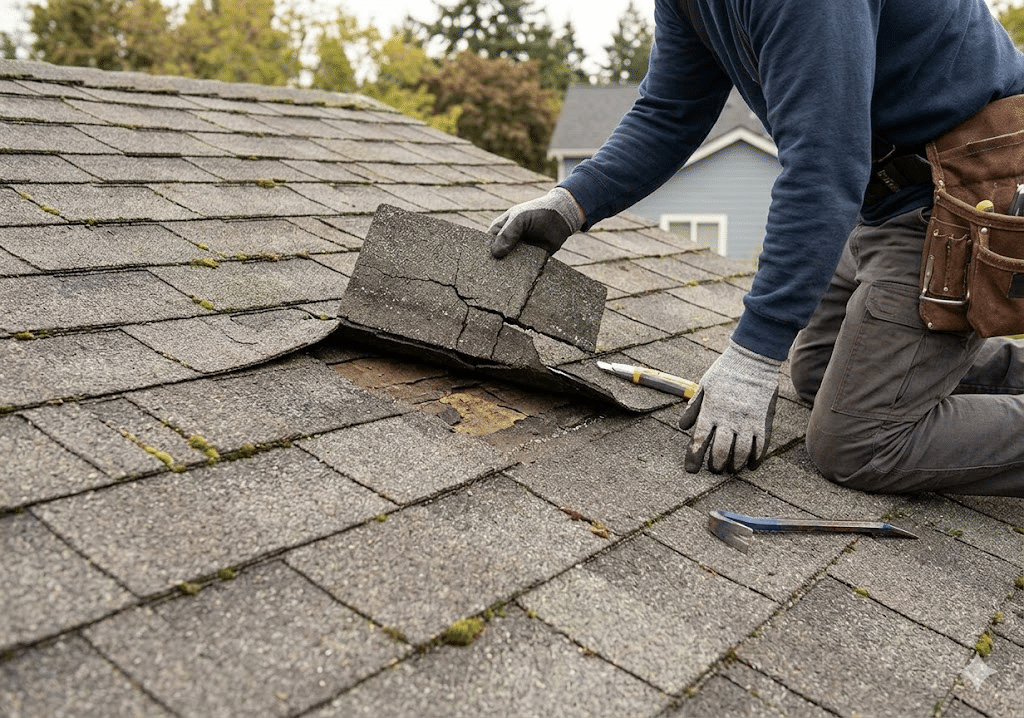
- Missing or Damaged Shingles: Look for any shingles that are cracked, curled at the edges, buckled, or completely missing. These are weak points where water can easily penetrate.
- Loose Flashing: Flashing is the metal material installed around chimneys, vents, and skylights. Check to see if it appears loose, rusted, or separated from the roof. Damaged flashing is a leading cause of leaks.
- Exposed or Rusted Nails: “Nail pops” occur when nails push up through the shingle, creating a small hole for water.
- Granule Loss: If you see a large accumulation of asphalt granules (which look like coarse black sand) in your gutters, it’s a sign your shingles are aging and losing their protective layer.
2. Clean Your Gutters and Downspouts
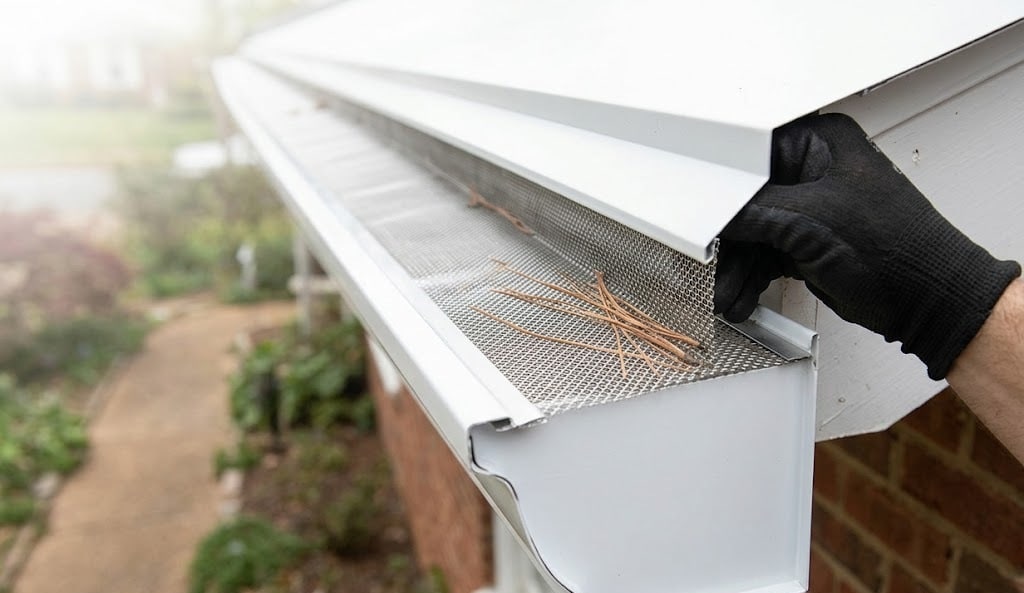
This is one of the most critical and effective tasks you can perform. Your gutters are designed to channel thousands of gallons of water away from your home’s foundation and roofline.
Why it matters:
When gutters are clogged with leaves, twigs, and other debris, rainwater has nowhere to go. It backs up onto your roof’s edge, seeping under shingles and potentially rotting the underlying decking. In a heavy downpour, overflowing gutters can also cause water to cascade down your siding and pool around your foundation, leading to a host of other problems. Cleaning them ensures water flows freely and safely away from your home.
3. Trim Overhanging Trees and Branches
High winds can turn tree limbs into dangerous projectiles. Any branches hanging over or near your roof pose a significant threat.
Actionable steps:
- Trim back any branches that are touching or hanging directly above your roof. This prevents them from scraping against and damaging shingles during high winds.
- Remove any large, dead, or dying branches that could snap off in a storm and puncture your roof. If you’re not comfortable doing this yourself, a professional tree trimming service can handle it safely.
4. Secure Loose Objects Around Your Property
While not directly part of your roof, items on your property can become airborne in high winds and cause serious impact damage. Before a storm is forecasted, take a walk around your yard.
What to secure:
- Patio furniture
- Grills
- Potted plants
- Trampolines
- Children’s toys
Store these items in a garage or shed, or secure them firmly to the ground. This simple step can prevent a stray lawn chair from becoming a roof-damaging missile.
5. Schedule a Professional Roof Inspection
While a personal visual check is a great start, nothing replaces the trained eye of an expert. A professional from a trusted DFW roofing service can safely get on your roof to spot subtle signs of weakness that are invisible from the ground.
Benefits of a professional inspection:
- Expert Assessment: A professional can identify issues like hail bruising, weakened seals, and potential structural weaknesses that an untrained eye would miss.
- Preventative Maintenance: They can perform minor repairs on the spot, such as re-sealing flashing or replacing a few damaged shingles, to storm-proof your roof effectively.
- Documentation: A professional inspection provides a documented record of your roof’s pre-storm condition, which can be invaluable if you need to file an insurance claim later.
Investing in a professional inspection is a small price to pay for the assurance that your home is truly protected.
Don’t Wait for the Storm to Hit
Preparing your roof for the Texas storm season is an essential responsibility for every DFW homeowner. By being proactive, you can protect your property, avoid the stress of emergency repairs, and ensure your family remains safe and dry. A well-maintained roof is your best defense against severe weather.
If you’re unsure about your roof’s condition or want an expert opinion, it’s time to call in the professionals. Contact us today to schedule a comprehensive roof inspection and get the peace of mind you deserve before the next storm rolls in.