A flat commercial roof should drain water within a reasonable amount of time after rainfall. If puddles remain long after the storm has passed, it may indicate a drainage problem rather than a temporary inconvenience. Over time, standing water can place additional stress on the roofing system and increase the risk of leaks.
Routine commercial roofing inspections and maintenance help identify drainage issues before they affect the roof’s performance. For business owners and property managers, addressing small problems early can help reduce repair costs and extend the life of the roof.
What Causes Ponding Water on a Commercial Roof?
Ponding water occurs when rainwater remains on a commercial roof for more than 48 hours after a storm. The most common causes include poor roof slope, clogged drains, blocked scuppers, structural settling, or damaged roofing materials. While a small amount of standing water may seem harmless, prolonged ponding can shorten the lifespan of the roof and lead to costly repairs if left unresolved.
Why Standing Water Is a Concern for Commercial Roofs
Unlike sloped residential roofs, many commercial roofs have a low-slope design. They rely on drains, scuppers, and proper grading to move water away efficiently.
When drainage slows or water collects in the same area repeatedly, the roof remains under constant moisture exposure. Over time, this can weaken roofing materials, increase the roof’s weight, and create conditions where leaks are more likely to develop.
Even if the roof is not leaking today, persistent ponding water is often an early warning sign that something needs attention.
Signs Ponding Water Is Becoming a Problem
Standing water is easy to spot after rainfall, but other signs may indicate that drainage issues are beginning to affect the roof.
Look for:
- Water remaining on the roof for more than 48 hours after rain
- Dark or stained areas where water frequently collects
- Bubbling or blistering roof membranes
- Debris collecting around the roof drains
- Sagging sections of the roof
- Water stains inside the building
These warning signs suggest that the roof may no longer be draining as designed.
Why Commercial Roofs Develop Ponding Water
Several conditions can contribute to standing water on commercial roofs.
Blocked Roof Drains
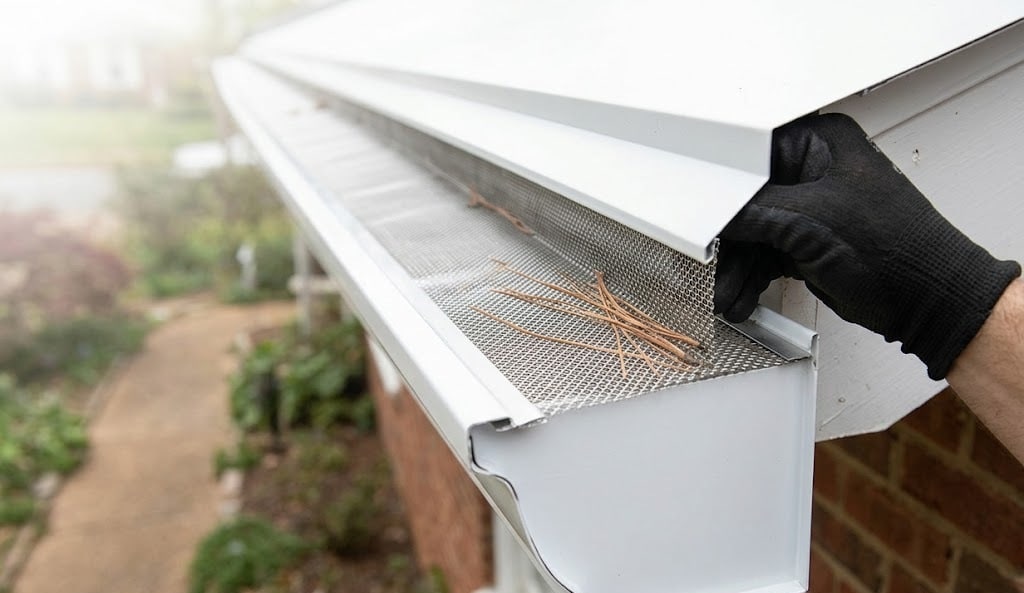
Leaves, dirt, and other debris can restrict water flow, preventing rainwater from draining properly.
Poor Roof Slope
Even a slight change in roof slope can create low spots where water naturally collects.
Structural Settlement
As commercial buildings age, portions of the roof structure may settle, creating depressions that trap water.
Roofing Material Deterioration
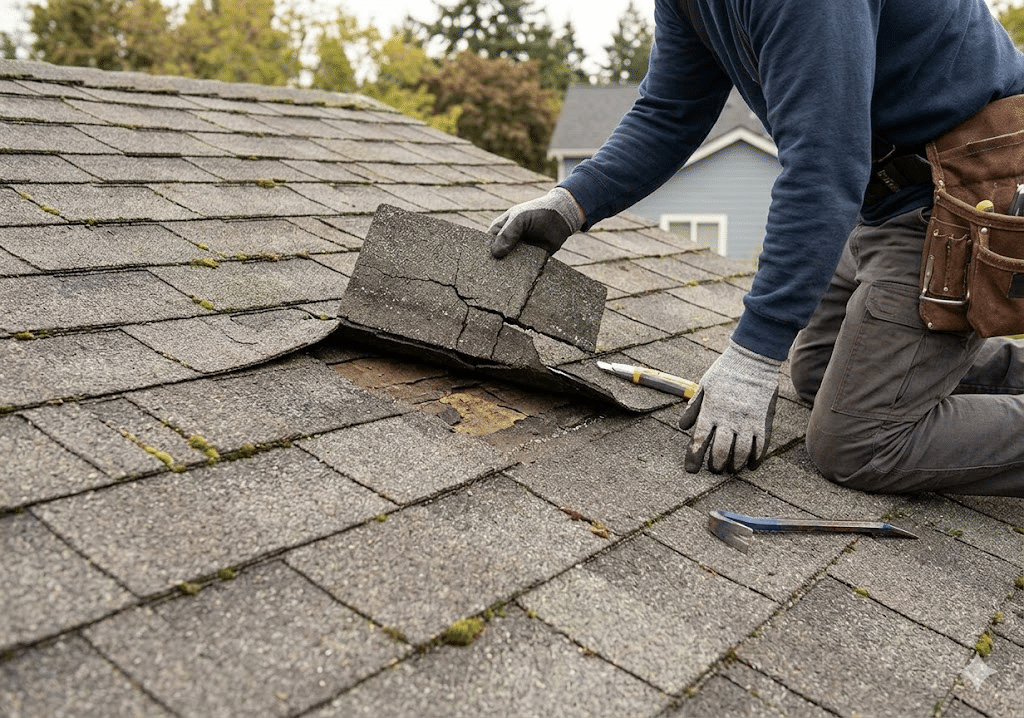
Aging roofing systems can develop uneven surfaces that affect drainage performance.
Heavy Rainfall
Large storms can overwhelm drainage systems, especially if maintenance has been delayed.
Can Ponding Water Be Fixed?
Yes, but the right solution depends on the cause.
Minor drainage problems may only require cleaning roof drains or repairing localized sections of the roofing membrane. If structural settling or significant low spots are causing the issue, additional corrective work may be necessary.
A professional commercial roof repair inspection can identify why water is collecting and recommend the most effective solution before the damage spreads.
Why You Should Not Ignore Ponding Water
Standing water places continuous stress on a commercial roofing system.
Ignoring the problem can result in:
- Roof leaks
- Membrane deterioration
- Damaged insulation
- Increased structural load
- Mold caused by trapped moisture
- Shorter roof lifespan
- Higher repair and maintenance costs
Addressing drainage issues early is often far less expensive than repairing extensive water damage.
When Should You Schedule a Commercial Roof Inspection?
Have your roof inspected if you notice:
- Standing water lasting longer than 48 hours
- Slow-draining roof drains or scuppers
- Bubbling or wrinkled roofing membranes
- Interior leaks after rainfall
- Sagging roof sections
- An aging commercial roof without routine maintenance
A commercial roof inspection can identify the source of ponding water and determine the most effective way to restore proper drainage. For businesses in Forney and nearby service areas, routine roof maintenance helps reduce unexpected repairs, protect the building, and support long-term roof performance.
Frequently Asked Questions
How long is ponding water considered normal?
Most roofing professionals consider water that remains on a roof for more than 48 hours after rainfall to be ponding water.
Can ponding water cause roof leaks?
Yes. Prolonged standing water increases the likelihood of membrane damage and water intrusion.
Is ponding water covered by warranty?
Some commercial roofing warranties exclude damage caused by improper drainage. Coverage depends on the specific warranty terms.
Can clogged drains alone cause ponding?
Yes. Blocked drains are one of the most common reasons water remains on commercial roofs after rainfall.
How often should a commercial roof be inspected?
Most commercial roofs should be professionally inspected at least twice a year and after severe weather events.
Protect Your Commercial Roof Before Drainage Problems Grow
Ponding water is often a sign that your commercial roof is no longer draining as intended. Identifying the cause early can help prevent leaks, protect your building, and extend the life of your roofing system.
If you notice these signs, schedule a roof inspection with John’s Roofing DFW.