Not every roof leak begins with missing shingles or storm damage. Sometimes, the problem starts with something as small as a roofing nail that has worked its way out of place. These raised nails, commonly called nail pops, may seem minor, but they can gradually weaken the roof’s ability to keep water out.
As roofs naturally expand and contract over time, nails can loosen and push upward through the shingles. Understanding why nail pops occur and why they should not be ignored can help homeowners prevent leaks before they spread. If your roof is showing signs of age, reviewing roof repair solutions can help you understand the options available. Homeowners in Murphy and surrounding DFW communities often schedule inspections to catch these issues early.
Quick Answer: What Is a Nail Pop?
A nail pop occurs when a roofing nail begins to back out of the roof decking, lifting the shingle above it. Once the shingle is raised, it can no longer form a tight seal against rain and wind. This small gap allows moisture to work beneath the roofing materials, increasing the risk of leaks and shingle damage over time.
Why Do Roofing Nails Work Their Way Out?
Roofing nails are designed to stay firmly secured, but several factors can cause them to loosen over the years.
Wood decking naturally expands and contracts with changing temperatures and moisture levels. As this movement repeats over time, nails may slowly rise from their original position. Once the nail head begins pressing against the underside of a shingle, it can create a visible bump and weaken the seal around it.
Improper fastening during installation or natural roof aging can also contribute to nail pops.
How to Recognize a Nail Pop
Nail pops are not always easy to identify from the ground, but several warning signs may indicate they are present.
Look for:
- Small raised bumps beneath the shingles
- Shingles that appear lifted in one spot
- Loose or displaced shingles
- Exposed nail heads on the roof surface
- Small leaks that appear after rainfall
- Water stains in the attic without obvious roof damage
Because nail pops are localized, they often affect only a few shingles at first.
What Causes Nail Pops?
Unlike storm damage or worn shingles, nail pops are usually caused by movement within the roofing system.
Expansion and Contraction
Temperature changes cause roof decking to expand and shrink, gradually loosening nails.
Moisture in the Roof Deck
Wood that repeatedly absorbs and releases moisture can push nails upward over time.
Improper Installation
Nails that were overdriven, underdriven, or placed incorrectly are more likely to work loose.
Aging Roofing Materials
As shingles become less flexible, they are less able to hold tightly around fasteners.
Roof Movement
Normal settling of the home can create slight movement that contributes to loose fasteners.
Can Nail Pops Be Repaired?
Yes. In most cases, nail pops can be repaired without replacing large sections of the roof.
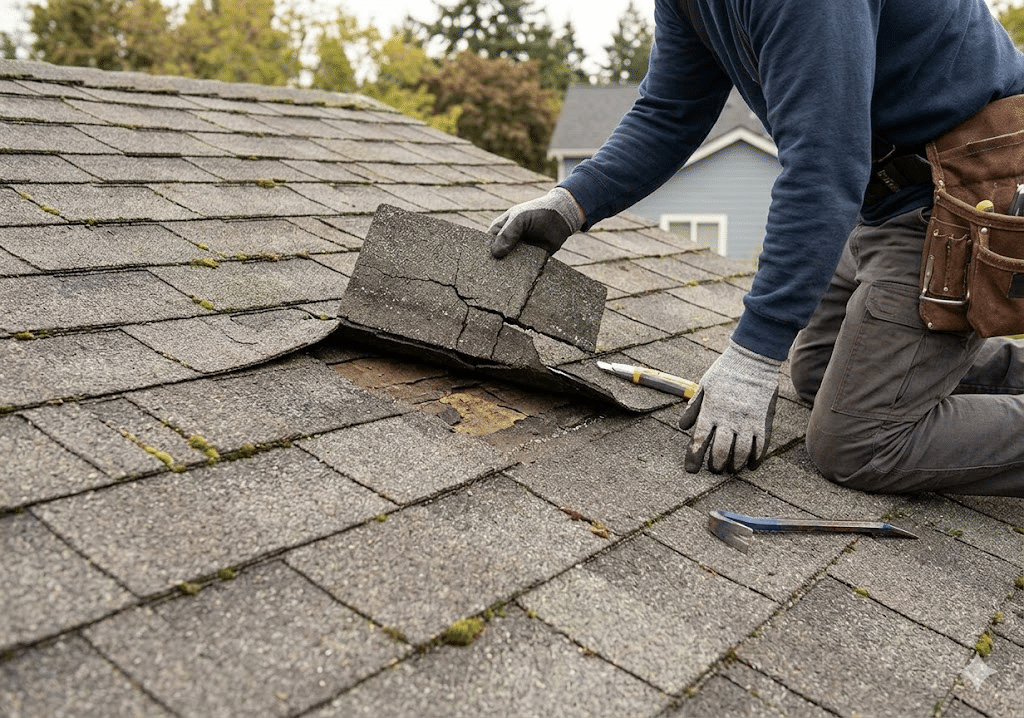
A roofing professional typically removes or secures the raised nail, installs a new fastener if needed, and replaces the affected shingle if it has been damaged. Addressing the issue early helps prevent moisture from entering beneath the roofing system.
A professional inspection can also determine whether isolated nail pops are present or if they indicate broader roofing concerns.
Why Ignoring Nail Pops Can Lead to Leaks
A raised nail creates an opening where water can enter beneath the shingles.
Over time, repeated exposure to rain may result in:
- Roof leaks
- Damaged underlayment
- Wet roof decking
- Interior ceiling stains
- Mold caused by trapped moisture
- Additional shingle damage during high winds
Repairing a nail pop early is typically much simpler than repairing water damage caused by a long-term leak.
When Should You Have Nail Pops Inspected?
Schedule a roof inspection if you notice:
- Raised or uneven shingles
- Exposed roofing nails
- Small leaks with no obvious source
- Water stains after rain
- An older asphalt shingle roof with no recent inspection
A professional roofer can determine whether the problem is limited to a few fasteners or if other areas of the roof require attention. Homeowners in Wylie and nearby service areas often include roof inspections as part of their regular home maintenance to identify these small issues before they become costly repairs.
Frequently Asked Questions
Are nail pops common on older roofs?
Yes. They become more common as roofing materials and wood decking age.
Can a single nail pop cause a roof leak?
Yes. Even one raised nail can allow water beneath the shingles during rain.
Are nail pops covered by homeowners’ insurance?
Typically, no. They are generally considered part of normal roof wear unless caused by a covered event.
Do nail pops mean the roof was installed incorrectly?
Not always. While improper installation can contribute, natural roof movement is also a common cause.
Can nail pops come back after repairs?
If the surrounding roofing materials remain in good condition and repairs are completed correctly, the problem is unlikely to return in the same location.
Stop Small Roofing Problems Before They Spread
Nail pops may be small, but they can create openings that allow water into your roofing system over time. Addressing them early helps protect your shingles, prevent leaks, and avoid more extensive repairs.
If you notice these signs, schedule a roof inspection with John’s Roofing DFW.