Most homeowners assume that rainwater should flow directly from the roof into the gutters. When water runs behind the gutters instead, it often points to a problem with the drip edge, a roofing component that many people never notice until damage appears.
A properly installed drip edge helps direct rainwater into the gutter rather than behind it. If your roof has not been inspected recently, reviewing your roofing services can help you understand how each roofing component works together to protect your home. Homeowners in Fate, Terrell, and nearby DFW communities often have roof edges evaluated after periods of heavy rain or strong winds.
Why Does Water Get Behind Gutters?
Water usually gets behind gutters because the drip edge is missing, damaged, or improperly installed. The drip edge is designed to guide rainwater from the roof into the gutter. When it fails to do its job, water can run behind the gutter, soaking the fascia boards, roof decking, and other components along the roof edge.
What Does a Drip Edge Actually Do?
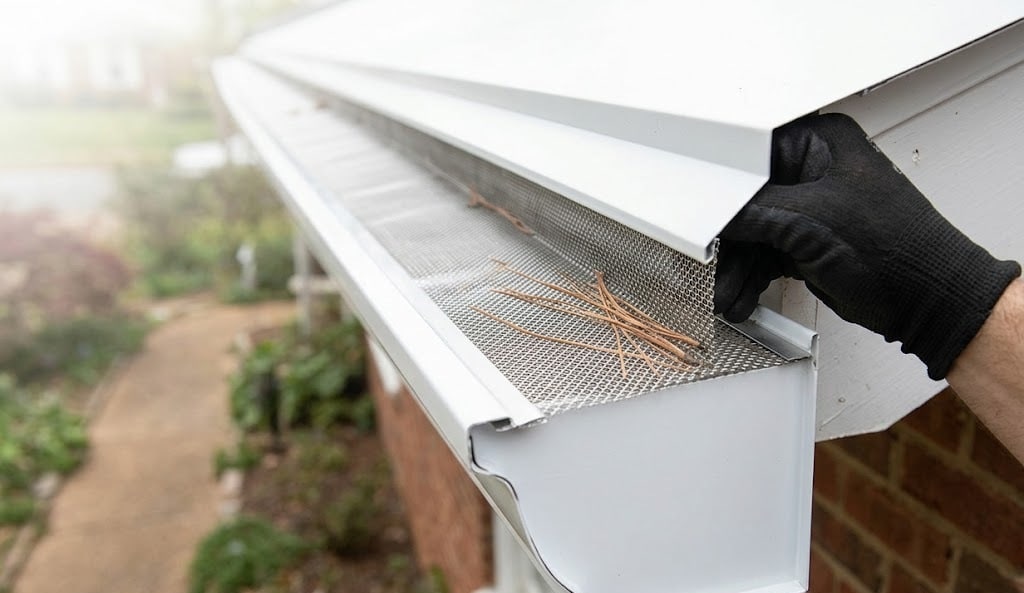
A drip edge is a thin strip of metal installed along the edges of a roof. Although it is small, it serves an important purpose by controlling how water leaves the roof.
Instead of allowing rainwater to cling to the roof or fascia, the drip edge creates a path that directs water into the gutter. It also helps protect the roof decking from prolonged moisture exposure and supports the overall performance of the gutter system.
Without a properly functioning drip edge, water may follow the underside of the roof and bypass the gutters entirely.
Signs Your Drip Edge May Not Be Working Properly
Problems with the drip edge often become noticeable during or shortly after rainfall.
Watch for:
- Water running behind the gutters
- Stains on fascia boards
- Peeling paint near the roof edge
- Rotting wood behind the gutter system
- Dripping water between the gutter and the house
- Overflow that occurs even when gutters are clean
These signs often indicate that rainwater is not being directed where it should go.
Why Drip Edge Problems Develop
Several factors can affect how well a drip edge performs over time.
Improper Installation
If the drip edge is installed incorrectly or positioned too far from the gutter, water may miss the gutter completely.
Storm Damage
Strong winds can bend or loosen sections of the drip edge, affecting water flow.
Roof Replacement Errors
Older homes sometimes have roofs replaced without upgrading or properly reinstalling the drip edge.
Aging Materials
Over time, corrosion or physical damage can reduce the effectiveness of metal edging.
Gutter Movement
Loose or sagging gutters can create a gap between the roof edge and the gutter, allowing water to run behind the system.
Can Drip Edge Problems Be Repaired?
Yes. In many cases, repairing or replacing sections of the drip edge restores proper water flow without requiring major roofing work.
If moisture has already affected the fascia or roof decking, additional roof repair may also be recommended. A professional inspection can determine whether the problem is limited to the roof edge or has spread to other roofing components.
Why You Shouldn’t Ignore Water Behind Gutters
When rainwater consistently flows behind the gutters, it exposes parts of the roof that are designed to stay dry.
Over time, this can result in:
- Rotting fascia boards
- Damaged roof decking
- Wet soffits
- Mold caused by trapped moisture
- Roof leaks
- More extensive repair costs
Correcting the problem early helps protect both the roof and the gutter system.
When Should You Schedule an Inspection?
A roof inspection is a good idea if you notice:
- Water dripping behind gutters during rain
- Soft or damaged fascia boards
- Gaps between the gutter and roof edge
- Rusted or loose drip edge
- Repeated moisture around the roofline
A professional inspection can identify whether the drip edge, gutters, or another roofing component is causing the problem. Homeowners in Greenville and surrounding service areas often schedule inspections after storms to identify roof edge damage before it leads to leaks.
Frequently Asked Questions
What is a roof drip edge?
A drip edge is a metal flashing installed along the roof edge to direct rainwater into the gutters.
Can a missing drip edge cause roof leaks?
Yes. Without a drip edge, water can reach the roof decking and fascia, increasing the risk of leaks.
Is drip edge required on every roof?
Most modern building codes require drip edge installation because it helps protect the roofing system from water damage.
Can gutters work without a drip edge?
They can, but water is more likely to run behind the gutters instead of into them.
Should the drip edge be replaced during a roof replacement?
Yes. Replacing or inspecting the drip edge during a roof replacement helps ensure proper drainage.
Protect Your Roof Edge From Water Damage
A properly installed drip edge helps keep rainwater moving into the gutters instead of behind them. Addressing drip edge problems early can protect your fascia, roof decking, and gutter system from unnecessary moisture damage.
If you notice these signs, schedule a roof inspection with John’s Roofing DFW.