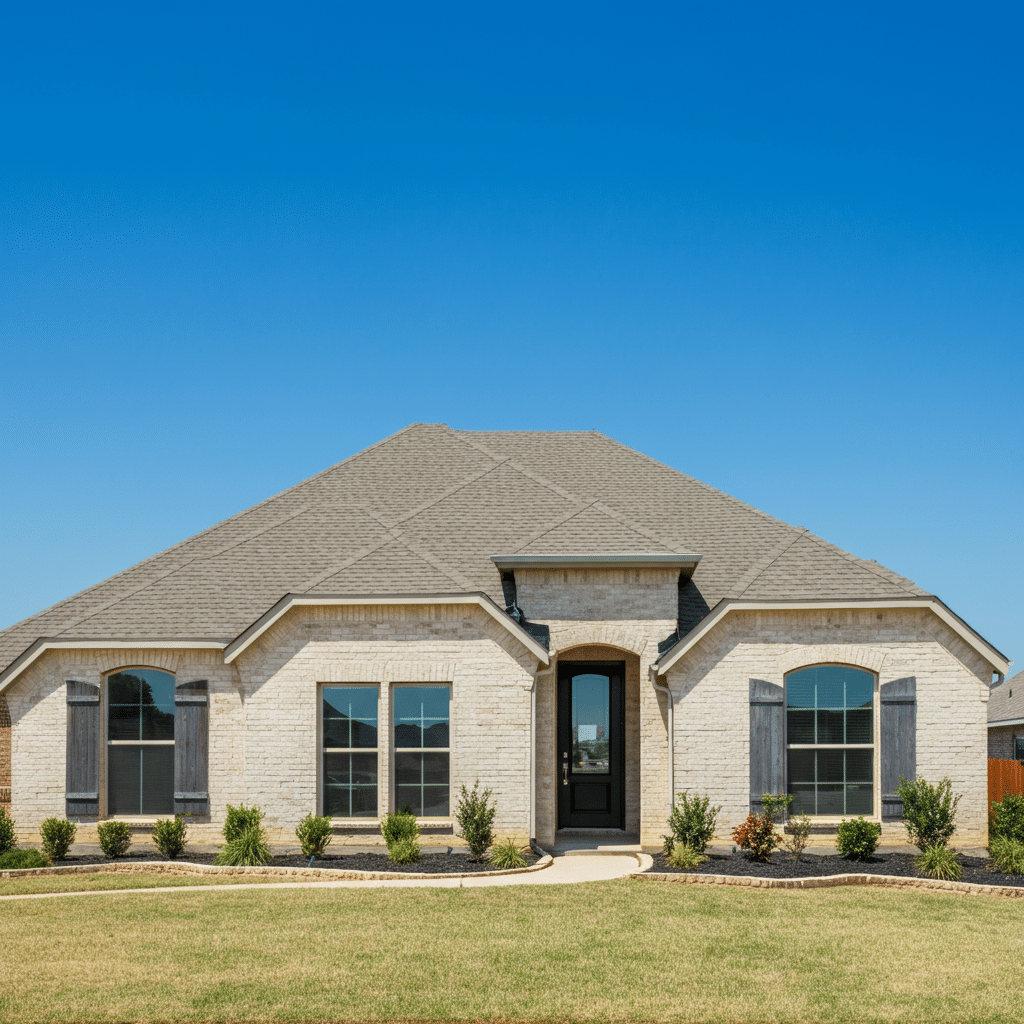
Hailstorms are a regular concern for many homeowners, and not every roofing material responds to impact in the same way. If your roof has been damaged more than once or you’re planning a roof replacement, you may have come across the term impact-resistant shingles. Understanding what makes them different can help you choose a roofing system that better suits your home’s needs.
Many homeowners in Rockwall, Forney, Rowlett, and surrounding DFW communities consider impact-resistant shingles because of the area’s frequent hail and windstorms. Comparing different asphalt shingle roofing options is a good starting point when selecting materials built for local weather conditions.
What Are Impact-Resistant Shingles?
Impact-resistant shingles are asphalt shingles engineered to better withstand damage from hail, falling debris, and other impacts. They are manufactured with reinforced materials that improve flexibility and durability, reducing the likelihood of cracks or punctures during severe weather. While they are not damage-proof, they often perform better than standard asphalt shingles during hailstorms.
How Are They Different From Standard Shingles?
At first glance, impact-resistant shingles look very similar to traditional asphalt shingles. The difference is found beneath the surface.
Many impact-resistant shingles include reinforced polymer materials or rubber-like modifiers that help absorb impact energy instead of allowing it to crack the shingle. This added flexibility helps preserve the protective layers beneath the surface during storms.
Most impact-resistant shingles are also tested using industry standards, including Class 4 impact ratings, which measure how well roofing materials resist simulated hail impacts.
How to Know If They’re Right for Your Home
Impact-resistant shingles may be worth considering if:
- Your home is located in an area that frequently experiences hail.
- Your current roof has required multiple storm repairs.
- You’re planning a complete roof replacement.
- You want added durability against falling tree branches or debris.
- You plan to stay in your home for many years.
Choosing the right roofing material depends on your home’s location, roof design, and long-term maintenance goals.
Why More Homeowners Choose Them in North Texas
Several local conditions make impact-resistant shingles an attractive option.
Frequent Hailstorms
North Texas experiences hailstorms that can damage standard asphalt shingles, even when the hail is relatively small.
High Winds
Strong winds can carry branches and debris that strike the roof during storms.
Extreme Temperature Changes
Repeated expansion and contraction place stress on roofing materials over time. Reinforced shingles are designed to better handle these changing conditions.
Long-Term Performance
Because they are built to withstand more severe weather, impact-resistant shingles may require fewer repairs over their lifespan than standard shingles.
Can Impact-Resistant Shingles Replace Any Roof?
In many cases, yes. If your roof is nearing the end of its lifespan or has experienced repeated storm damage, upgrading to impact-resistant shingles may be an option during a roof replacement.
However, the condition of the roof decking, ventilation, and other roofing components should also be evaluated before new shingles are installed.
A professional roof inspection can help determine whether your current roof is a good candidate for replacement or if repairs are still appropriate.
Why Choosing the Right Roofing Material Matters
Your shingles are your home’s first line of defense against the weather. Selecting a roofing material designed for your environment can help reduce future maintenance and improve long-term performance.
Impact-resistant shingles may help:
- Reduce storm-related roof damage
- Improve resistance to hail impacts
- Protect the roof decking beneath
- Minimize repair frequency
- Extend the overall service life of the roof
Although no roofing material can completely prevent storm damage, choosing a more durable option can provide additional peace of mind.
When Should You Talk to a Roofing Professional?
If you’re considering impact-resistant shingles, a roof inspection is the best place to start.
You may want professional guidance if:
- Your roof has sustained repeated hail damage.
- You’re planning a roof replacement.
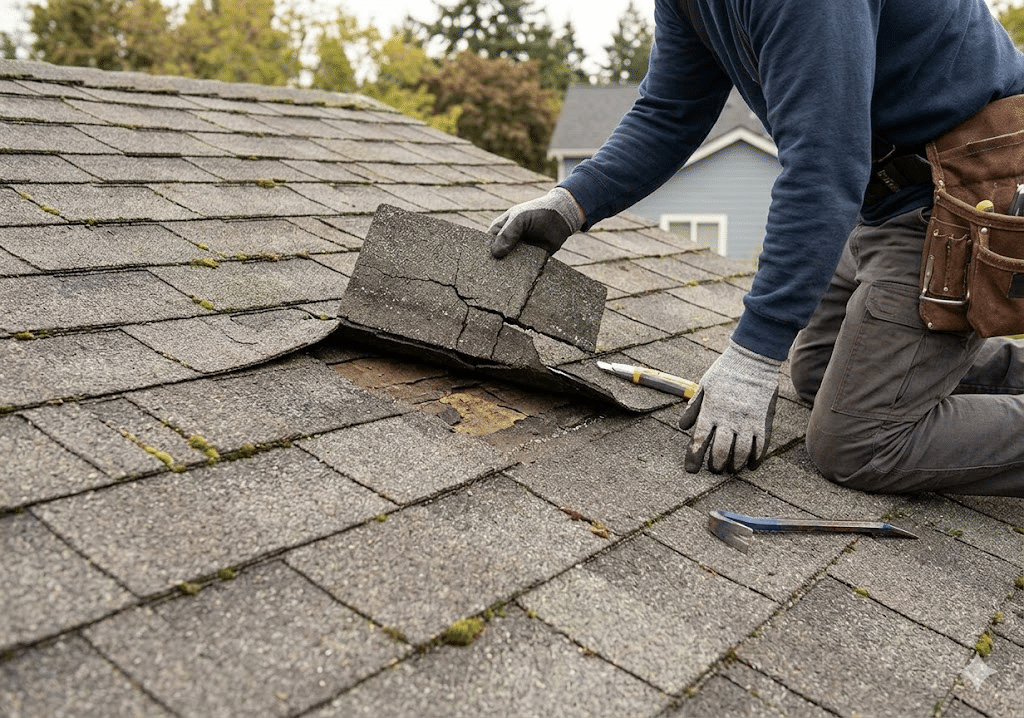
- Your existing shingles are showing significant wear.
- You recently filed a storm damage insurance claim.
- You want to compare available roofing materials.
Homeowners in Heath, Royse City, Wylie, and other DFW service areas often discuss roofing material options before replacing an aging roof. Reviewing different asphalt shingle roofing systems can help you make a more informed decision based on your home’s needs.
Frequently Asked Questions
Are impact-resistant shingles hail-proof?
No. They are designed to better resist hail damage but cannot prevent all storm-related damage.
What does a Class 4 shingle rating mean?
A Class 4 rating indicates that the shingle has passed one of the highest industry impact-resistance tests.
Do impact-resistant shingles cost more?
Yes. They generally cost more than standard asphalt shingles but may provide greater long-term durability.
Can they help reduce insurance costs?
Some insurance providers offer discounts for qualifying impact-resistant roofing materials. Coverage varies by insurer.
How long do impact-resistant shingles last?
Their lifespan depends on the manufacturer, installation quality, maintenance, and weather conditions, but they often perform longer than standard shingles under severe weather.
Invest in a Roof Built for Tougher Weather
Impact-resistant shingles offer added protection against hail, wind, and everyday weather exposure, making them a practical option for many North Texas homes. Choosing the right roofing material today can help reduce future repairs and improve your roof’s long-term performance.
If you notice these signs, schedule a roof inspection with John’s Roofing DFW.