A roof leak does not always begin with damaged shingles. In many DFW and North Texas homes, water enters through failed flashing around chimneys, plumbing vents, and skylights. Because these areas interrupt the roof’s surface, they require extra protection to keep rain from reaching the structure below.
Roof flashing failures around chimneys, vents, and skylights often lead to leaks. Recognize the warning signs and when repairs may be needed.
Quick Answer: Why Does Roof Flashing Fail?
Roof flashing fails when the metal or seal around roof penetrations becomes loose, damaged, or worn over time. In North Texas, heat, hail, heavy rain, strong winds, and aging materials are the most common causes. Once flashing can no longer direct water away from these areas, moisture can work its way beneath the roofing system and lead to leaks.
How Roof Flashing Protects Your Home
Roof flashing is a thin piece of metal installed where the roof meets another surface, such as a chimney, vent pipe, skylight, or wall. Its purpose is to create a watertight barrier and guide rainwater away from openings in the roof.
Unlike shingles, which protect large roof sections, flashing focuses on areas where water is most likely to collect or penetrate. When it fails, these vulnerable points become the first places where leaks often develop.
Signs Your Roof Flashing May Be Failing
Flashing damage is not always easy to spot, but these warning signs may indicate a problem:
- Water stains near chimneys, skylights, or vents
- Loose or lifted metal flashing
- Rust or corrosion on exposed flashing
- Cracked or missing sealant around roof penetrations
- Leaks during or after heavy rain
- Missing shingles near flashing areas
Even minor flashing damage should be inspected before it allows moisture to spread beneath the roof.
What Causes Flashing to Fail in North Texas?
Several conditions can shorten the lifespan of roof flashing.
Extreme Heat
High temperatures cause metal flashing to expand during the day and contract at night. Over time, this movement can loosen fasteners and weaken sealants.
Hail and Wind
Storms may dent flashing, pull it away from the roof, or damage the surrounding shingles, creating openings where water can enter.
Aging Materials
Older flashing naturally deteriorates over time. Rust, corrosion, and worn sealants reduce its ability to keep water out.
Poor Installation
Incorrect overlaps, improper fastening, or inadequate sealing can cause flashing to fail much sooner than expected.
Can Roof Flashing Be Repaired or Does It Need Replacement?
Many flashing problems can be repaired if they are found early. Replacing damaged sealant, securing loose flashing, or repairing a small section may restore proper protection.
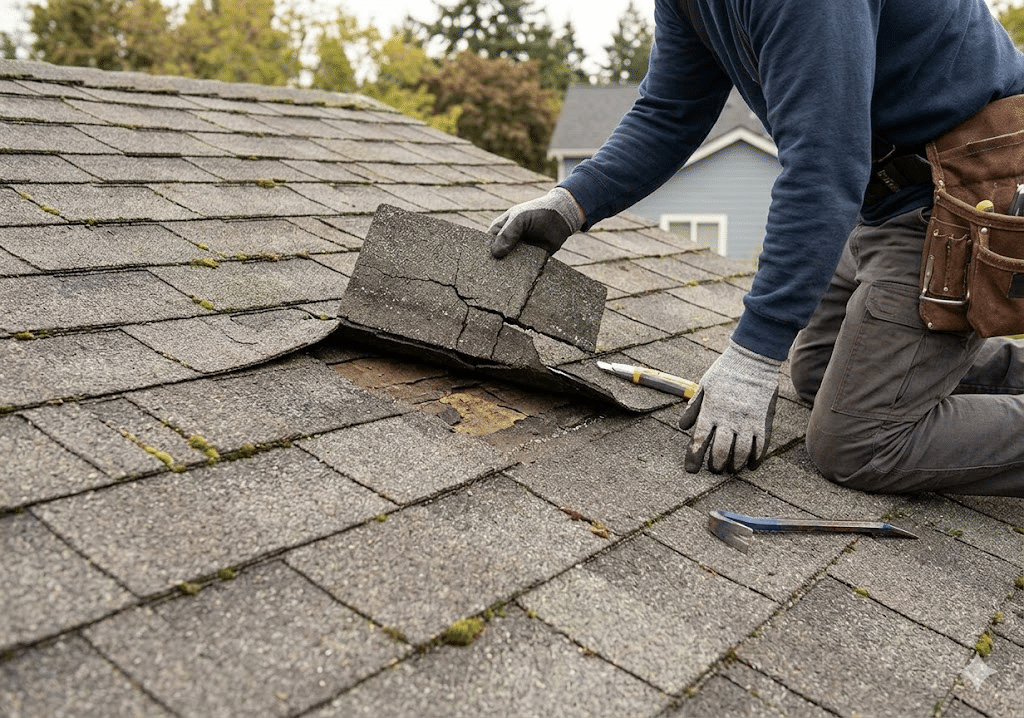
However, flashing that is heavily rusted, bent, or incorrectly installed may need to be replaced. A professional inspection can determine whether a localized roof repair is enough or if additional roofing work is recommended.
Why Flashing Problems Should Not Be Ignored
Flashing protects the most vulnerable areas of your roof. Once it fails, water can reach parts of the roofing system that are normally protected.
Ignoring flashing damage may result in:
- Roof leaks
- Damaged roof decking
- Wet attic insulation
- Interior ceiling stains
- Mold caused by trapped moisture
- More expensive repairs over time
Repairing flashing early is often much less costly than repairing the damage caused by a long-term leak.
When Should You Call a Roofer?
Schedule a roof inspection if you notice:
- Water stains around chimneys, skylights, or vents
- Loose, rusted, or damaged flashing
- Cracked sealant around roof penetrations
- Leaks after heavy rain or storms
- A roof that has not been inspected in several years
A professional inspection can determine whether the flashing can be repaired or if replacement is the better solution. If your roof is showing signs of age, exploring roof replacement options may also help you plan ahead. Homeowners in Rockwall and surrounding DFW communities benefit from inspections tailored to North Texas weather conditions.
Frequently Asked Questions
Can flashing fail even if my shingles look fine?
Yes. Flashing can loosen or deteriorate while the surrounding shingles remain in good condition.
Is roof flashing replaced with every new roof?
In many cases, yes. Replacing flashing during a roof replacement helps ensure the new roofing system remains watertight.
What is roof flashing usually made from?
Most flashing is made from galvanized steel, aluminum, or copper because these materials resist weather and corrosion.
How often should flashing be inspected?
It should be inspected during routine roof maintenance and after severe storms.
Can small flashing gaps cause roof leaks?
Yes. Even a small gap can allow water to enter beneath the roofing materials during heavy rain.
Protect Your Roof’s Most Vulnerable Areas
Roof flashing plays an essential role in keeping water out around chimneys, vents, and skylights. Addressing flashing issues early can help prevent leaks, protect your home’s structure, and extend the life of your roof.
If you notice these signs, schedule a roof inspection with John’s Roofing DFW.